Understanding Siding Replacement Costs: What Central Ohio Homeowners Need to Know
Siding replacement cost per square foot varies widely depending on your material choice and project complexity, but here’s what you need to know right now:
| Siding Material | Cost Per Sq. Ft. | Lifespan | Best For |
|---|---|---|---|
| Vinyl | $4.50 – $12.00 | 20-40 years | Budget-conscious homeowners |
| Fiber Cement | $5.00 – $14.00 | 25-50+ years | Durability and fire resistance |
| Wood | $7.00 – $18.00 | 20-40 years | Classic, natural aesthetic |
| Aluminum | $8.00 – $12.00 | 20-40 years | Modern, low-maintenance homes |
| Stone/Brick Veneer | $15.00 – $48.00+ | 50-100+ years | Premium curb appeal |
For a typical 2,000 sq. ft. Central Ohio home, expect total siding replacement costs between $11,000 and $17,000.
If you’ve walked around your Central Ohio neighborhood lately, you’ve probably noticed how much a fresh siding job can transform a home. But when you start getting quotes, the numbers can feel overwhelming—and confusing.
Why does one contractor quote $8 per square foot while another says $14? What’s actually included in that price? And how do you know if you’re getting a fair deal or getting taken for a ride?
The truth is, siding replacement cost per square foot isn’t just about the material stuck to your walls. It’s about labor complexity, hidden repairs, your home’s unique features, and dozens of other factors that contractors don’t always explain upfront.
In this guide, we’ll break down exactly what drives siding costs in Central Ohio—from budget-friendly vinyl to premium stone veneer. You’ll learn what to expect when you get an estimate, how to spot hidden costs before they surprise you, and what kind of return you can expect on your investment.
I’m Shawn, and I’ve spent my entire career in construction here in Central Ohio, helping homeowners understand exactly what goes into their siding replacement cost per square foot so they can make confident decisions. Let’s unpack what you’re really paying for—and why it matters.
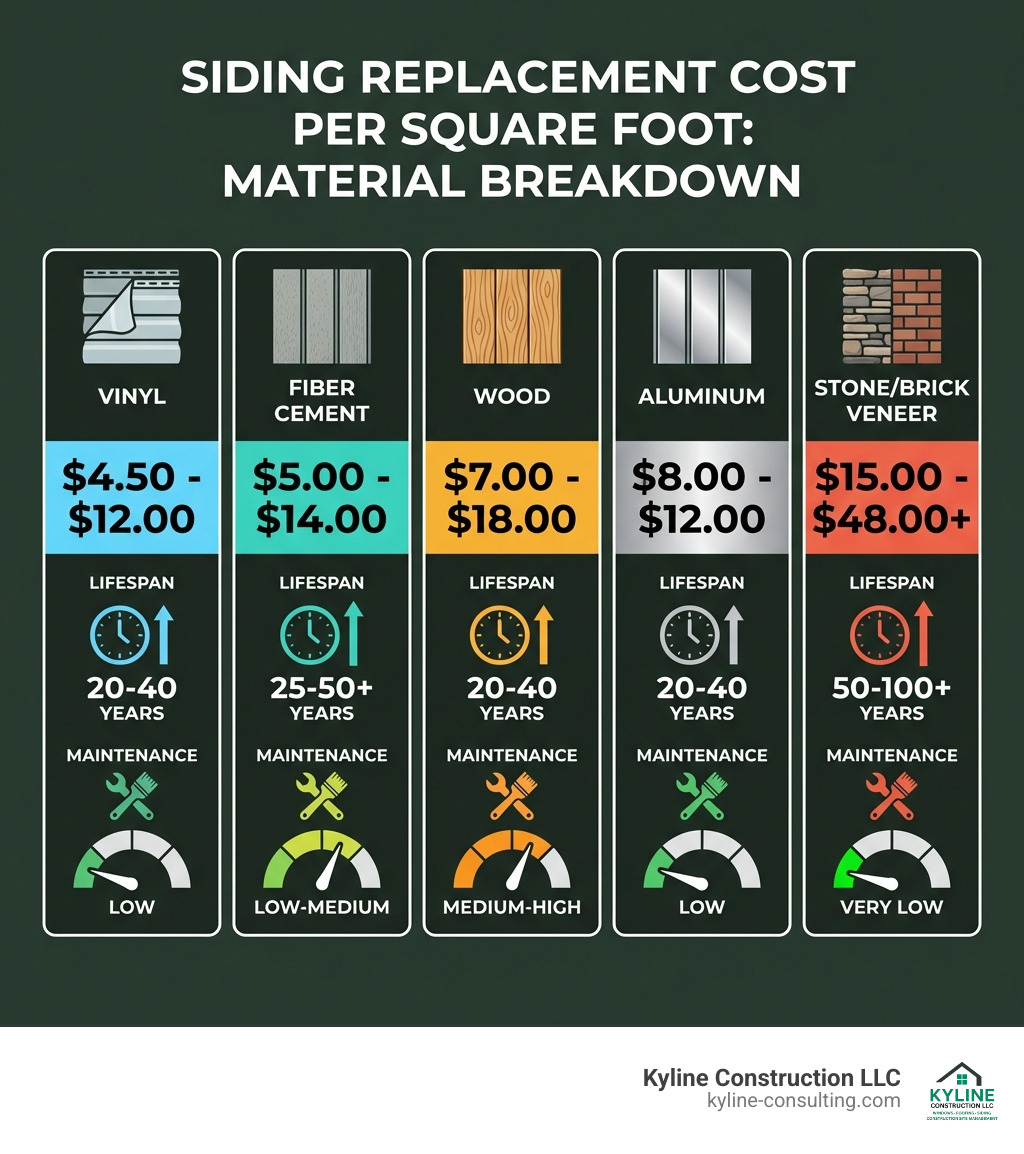
Siding replacement cost per square foot terms simplified:
Siding Material Costs: A Square Foot Showdown
When you start thinking about new siding for your Central Ohio home, the first thing that often comes to mind is the material itself. And for good reason! The type of siding you choose is the biggest driver of your overall siding replacement cost per square foot.
Our Central Ohio climate, with its hot, humid summers and cold, snowy winters, demands durable materials that can withstand significant temperature fluctuations. This means that while some materials might seem cheaper upfront, they could end up costing you more in the long run if they can’t handle the Ohio weather.
The table in our introduction gave you a quick glance at the typical ranges. Now, let’s dive deeper into how each material performs in terms of cost, longevity, and upkeep, helping you balance upfront expense with long-term value.
How Material Choice Affects the Siding Replacement Cost Per Square Foot
The material you select isn’t just about aesthetics; it directly impacts your siding replacement cost per square foot in several ways. Think about it like this: A standard builder-grade option will naturally be less expensive than a premium, insulated product designed for maximum energy efficiency and durability.
Beyond the basic material, factors like the specific grade of the material, differences between manufacturers, and even current supply chain dynamics can cause prices to fluctuate. For instance, a specialty color or texture might cost more than a standard option. The popularity of a certain material in Central Ohio can also influence its price and availability. When a material is in high demand, expect prices to reflect that. Shawn has seen this play out many times over his 40+ years in the industry—what’s trending often comes with a premium.
Vinyl Siding: The Budget-Friendly Favorite
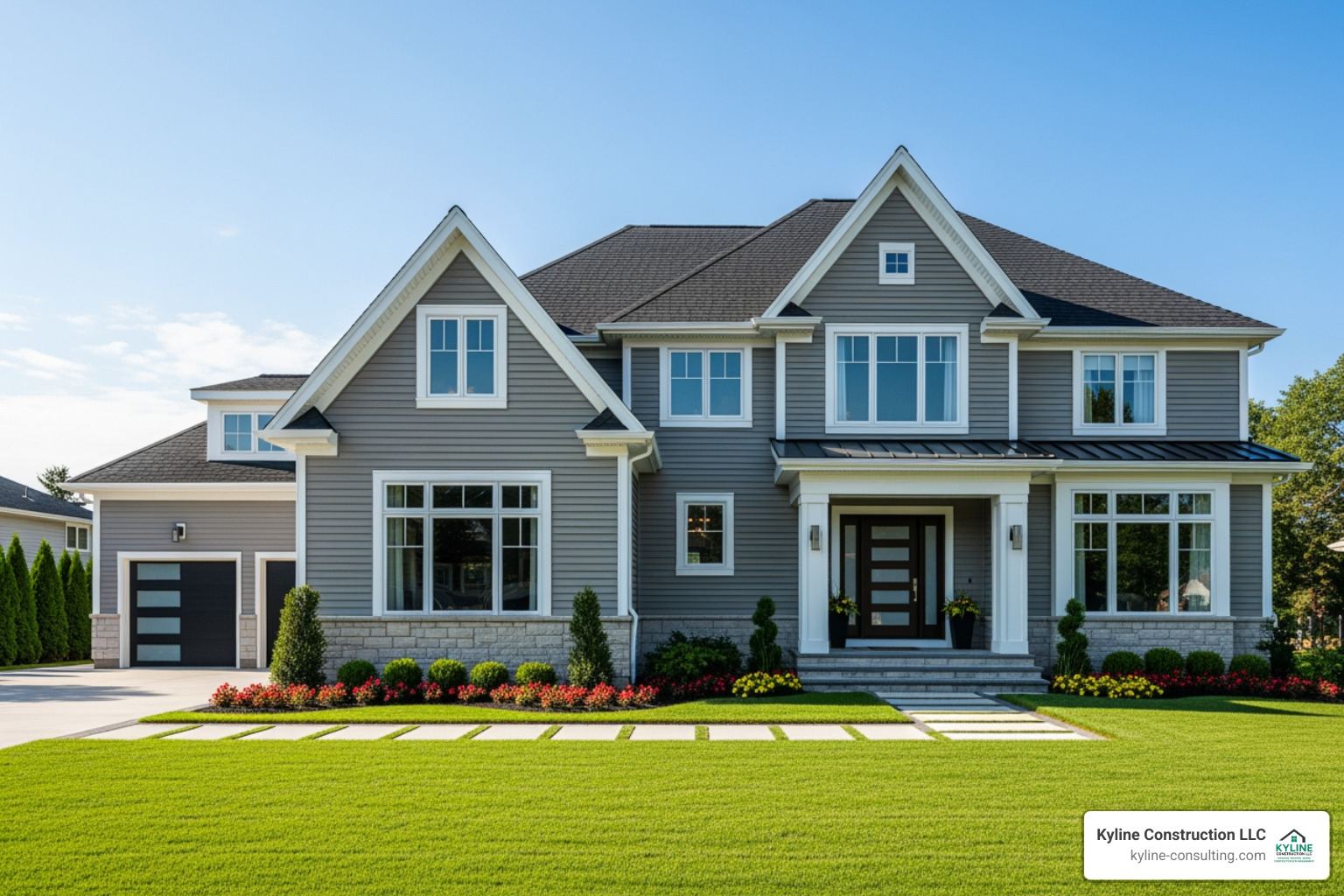
Vinyl siding remains incredibly popular across Central Ohio, and for good reason: it’s often the most affordable option. You can expect to pay between $4.50 and $12.00 per square foot, including both materials and installation.
Pros:
- Affordability: This is its biggest draw, making it accessible for many homeowners.
- Low Maintenance: Vinyl generally requires little more than an annual wash with soap and water to keep it looking fresh. No painting or staining needed!
- Color Variety: It comes in a vast array of colors and styles, allowing for significant customization without breaking the bank.
- Durability: Modern vinyl siding is more robust than older versions, resisting dents and scratches fairly well.
Cons:
- Can Crack/Fade: While improved, extreme Central Ohio temperatures can still cause vinyl to become brittle and crack in the cold or fade over time in direct sunlight.
- Lower ROI: While it improves curb appeal, vinyl siding often has a lower return on investment compared to more premium materials.
- Environmental Concerns: Some environmentally conscious homeowners may prefer other options due to the manufacturing process of vinyl.
Lifespan: With proper installation and care, vinyl siding typically lasts 20 to 40 years.
If you’re looking for an economical way to refresh your home’s exterior and keep maintenance to a minimum, vinyl is a solid choice. We’re happy to discuss the best vinyl options for your Central Ohio home. More info about our siding services.
Composite & Fiber Cement Siding: The Durable All-Stars
For Central Ohio homeowners seeking a step up in durability and longevity, composite and fiber cement sidings are excellent contenders. These materials generally cost between $5.00 and $14.00 per square foot, offering a fantastic balance of performance and value.
Pros:
- Exceptional Durability: Fiber cement, in particular, is engineered to withstand harsh weather, including the freeze-thaw cycles common in Ohio, as well as high winds and hail.
- Fire and Pest Resistant: These materials are non-combustible and impervious to termites and other pests, offering peace of mind.
- High ROI: Fiber cement siding often delivers a strong return on investment, enhancing home value significantly.
- Versatile Aesthetics: They can convincingly mimic the look of wood, brick, or stone, providing a premium appearance without the associated maintenance.
Cons:
- Heavier: Fiber cement is a heavy material, which means installation is more labor-intensive and requires specialized tools and expertise. This contributes to the higher installation cost.
- Professional Installation Required: Due to its weight and specific installation requirements, DIY is not recommended. Expert installation is crucial for proper performance and warranty validity.
Lifespan: You can expect composite and fiber cement siding to last anywhere from 25 to 50+ years, making them a long-term investment.
When working with composite materials like fiber cement, Shawn’s team uses specialized circular saws to ensure precise, clean cuts, which is essential for a professional finish and proper installation. For more details on these robust siding options, check out James Hardie Siding.
Wood & Engineered Wood: The Classic Look
For those who appreciate timeless charm and natural beauty, wood and engineered wood siding are appealing choices. Prices for these materials in Central Ohio typically range from $7.00 to $18.00 per square foot.
Pros:
- Natural Beauty: Nothing quite matches the authentic warmth and character of real wood. It offers a classic aesthetic that can be stained or painted to your exact preference.
- Customizable: Wood can be cut into various profiles (clapboard, shakes, shingles, board and batten) and finished in countless ways, offering immense design flexibility.
- Eco-Friendly (for some types): Responsibly sourced wood can be a sustainable option. Engineered wood often uses recycled wood fibers, making it an environmentally conscious choice.
Cons:
- High Maintenance: This is the biggest drawback. Wood siding requires regular maintenance, including painting or staining every 3-7 years, depending on the finish and exposure.
- Susceptible to Pests/Rot: Without diligent maintenance, wood can be vulnerable to moisture damage, rot, and insect infestations (like termites or carpenter bees), especially in humid Central Ohio summers.
- Fire Risk: Unlike fiber cement, wood is combustible, which can be a concern for some homeowners.
Lifespan: With consistent maintenance, wood siding can last 20 to 40 years. However, neglecting its upkeep will significantly shorten its lifespan and lead to costly repairs.
Premium Options: Metal, Stone, and Brick
When you’re aiming for maximum durability, a truly unique aesthetic, and minimal maintenance, premium siding options like metal, stone, and brick veneer come into play. These materials represent a significant investment, with costs ranging from $10.00 to $48.00+ per square foot.
Metal Siding (Aluminum or Steel):
- Cost: $8.00 – $12.00 per square foot.
- Pros: Extremely durable, fire-resistant, insect-proof, low maintenance. Aluminum is rust-resistant, while steel offers exceptional strength. They provide a sleek, modern look.
- Cons: Can dent (aluminum), may be noisy (aluminum expands/contracts), can be pricier than vinyl.
- Lifespan: Aluminum and steel can last 20 to 40+ years.
Stone and Brick Veneer:
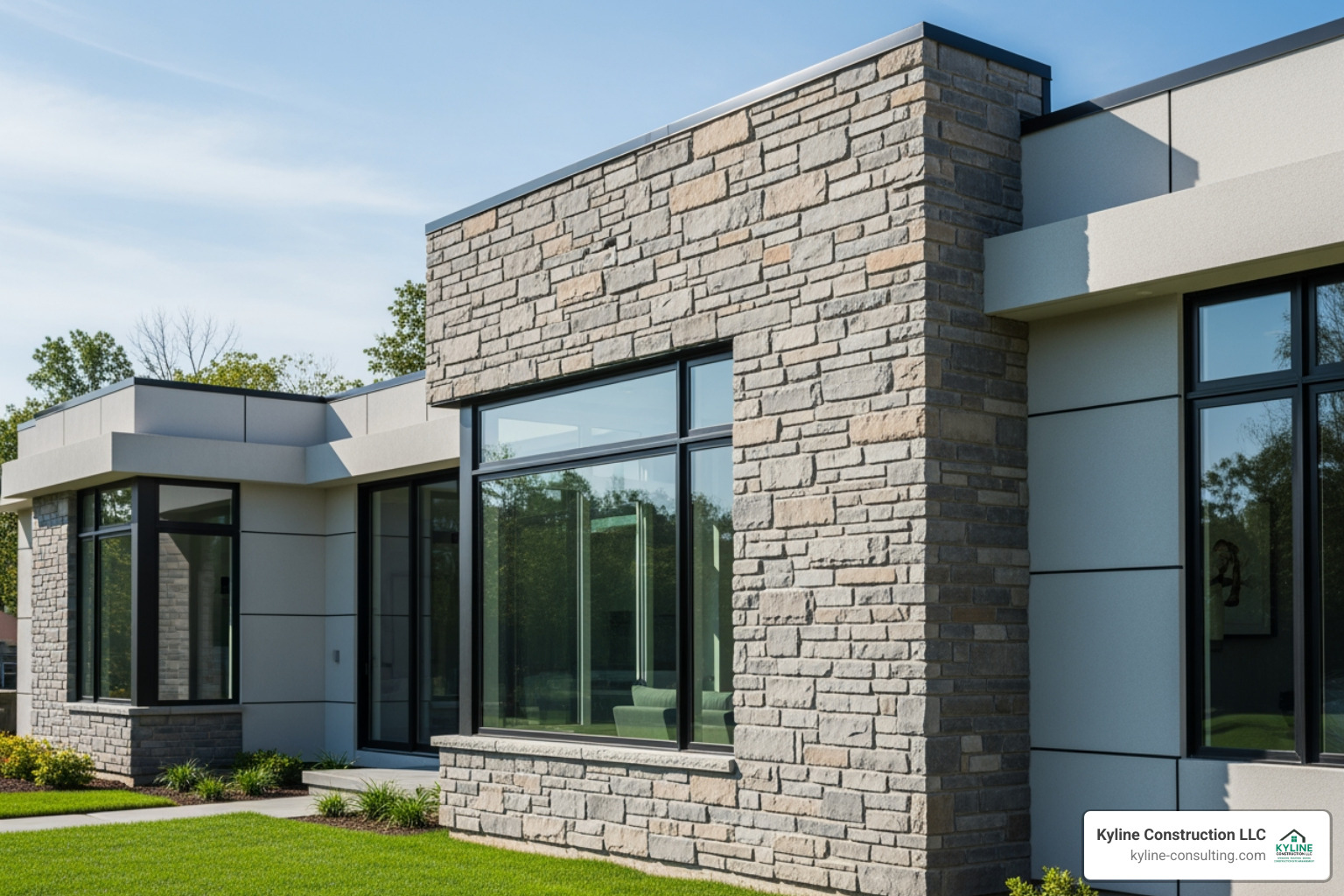
- Cost: $15.00 – $48.00+ per square foot. Natural stone will be at the higher end, with manufactured stone veneer being more accessible.
- Pros: Best aesthetic appeal, incredible durability (can last over 100 years), virtually maintenance-free once installed, excellent fire resistance, and superior curb appeal that significantly boosts home value.
- Cons: Highest upfront cost, very heavy, and requires highly specialized, labor-intensive installation. This complexity contributes heavily to the siding replacement cost per square foot.
Choosing these premium options is often about making a statement and investing in the long-term character and resilience of your Central Ohio home.
Key Factors That Influence Your Total Siding Replacement Cost Per Square Foot
While the material itself is a huge piece of the puzzle, focusing solely on the material’s siding replacement cost per square foot is like looking at one piece of a much larger picture. The total project scope—everything from preparation to finishing touches—significantly influences your final bill.
Getting a fair estimate means understanding all the variables at play. We often hear from homeowners who feel their siding estimate is too high, but sometimes, it’s just a reflection of the actual work involved. A simple square foot price for material doesn’t account for complex architectural details, the condition of your old siding, or the skilled labor required. Let’s dig into these other crucial factors.
How Labor Impacts Your Siding Replacement Cost Per Square Foot
Labor is a substantial portion of any siding project, often accounting for 50% to 70% of the total cost. This percentage can shift dramatically based on the material you choose. Installing vinyl siding is generally quicker and less labor-intensive than, say, fiber cement, which requires more specialized tools and techniques due to its weight and rigidity. Even more complex is the precise placement required for stone or brick veneer, where each piece needs individual attention.
Shawn, with his 40+ years of experience, emphasizes that proper installation is paramount. “You can buy the most expensive, durable siding on the market,” he says, “but if it’s not installed correctly, it won’t perform as it should, and you’ll end up with problems down the road.” This is why contractor expertise is invaluable. Skilled installers not only work efficiently but also ensure your siding is installed to manufacturer specifications and local Central Ohio building codes, protecting your investment.
To better understand this component of your project, take a look at our guide on understanding your siding replacement labor bill.
Home Size & Architectural Complexity
The size of your home is an obvious factor—more exterior surface area means more material and more labor. But it’s the architectural complexity that can really impact your siding replacement cost per square foot.
Think about the difference between a simple, single-story ranch home and a two-story colonial with multiple gables, dormers, and intricate corners. Each of these architectural features adds complexity:
- Increased Waste: More cuts mean more material waste, which you’ll still pay for.
- Custom Cuts: Intricate details require precise, custom cuts and careful fitting, slowing down the installation process.
- Special Equipment: Taller homes or those with difficult-to-reach areas might require scaffolding or lifts, adding to equipment rental costs.
These complexities mean more time for our skilled team to ensure a flawless finish, which translates to a higher labor cost per square foot for these particular areas, even if the material cost is the same.
Seasonal Demand in Central Ohio
Believe it or not, the time of year you decide to replace your siding in Central Ohio can affect the price.
- Peak Season (Spring/Summer): This is when everyone wants to get their exterior projects done. Demand is high, so contractors are busier, lead times are longer, and prices might be firmer.
- Off-Season (Fall/Winter): While working in freezing temperatures isn’t ideal, late fall and early winter can sometimes offer potential discounts. Contractors might have more availability and be willing to offer better rates to keep their crews busy during slower months. Just be aware that extreme cold or heavy snowfall can cause weather delays.
Planning your project timeline strategically can sometimes lead to savings. If you have flexibility, discussing off-season installation with us might be a smart move for your Central Ohio home.
Beyond the Boards: Uncovering Hidden Siding Costs
When budgeting for a siding replacement, it’s easy to focus solely on the siding replacement cost per square foot for the material and labor. However, Shawn always advises our Central Ohio clients to budget for the unexpected. We recommend adding a 10-20% contingency to your total estimate. Why? Because underneath that old siding, we sometimes find surprises!
A comprehensive quote from us will always include these potential costs, making sure you have a clear picture. If you’re looking to tackle multiple exterior projects, bundling your siding with other services like window replacement can sometimes lead to efficiencies. Learn more about what to expect when you bundle.
Siding Removal and Disposal
Before any beautiful new siding goes up, the old siding often has to come down. This isn’t a free process.
- Cost to Tear Off Old Siding: Removing existing siding typically adds to the cost, ranging from around $1,000 to $3,000 for an average home, depending on the material and how difficult it is to remove.
- Dumpster Fees: The old material needs to go somewhere, and that means renting a dumpster and paying disposal fees.
- Condition of Existing Siding: If your old siding is heavily damaged, crumbling, or contains hazardous materials (like asbestos in very old homes, though rare now), removal costs can be higher due to increased labor and specialized disposal.
Some homeowners ask about installing new siding directly over old siding to save money. While it might seem appealing, Shawn strongly advises against it in most cases. Covering up old siding means you can’t inspect the underlying structure for rot, mold, or pest damage. It also adds extra weight to your home and can make the new siding look uneven. We believe in doing the job right, which usually means a clean slate.
Necessary Repairs and Prep Work
This is where the “hidden” costs often appear. Once the old siding is off, we get a clear view of your home’s bones.
- Finding Rot or Pest Damage: It’s not uncommon to uncover sections of rotted wood sheathing or evidence of termite or carpenter ant activity. These issues must be addressed before new siding goes on to ensure the structural integrity of your home and the longevity of your new siding.
- Sheathing Replacement: If the existing sheathing (the layer between your studs and siding) is damaged, it will need to be replaced.
- Installing House Wrap and Insulation: Even if your sheathing is sound, we almost always recommend installing a modern house wrap and, if desired, additional insulation. House wrap acts as a moisture barrier and a secondary weather barrier, while insulation can significantly improve your home’s energy efficiency, leading to lower utility bills in Central Ohio’s varied climate.
Here’s a list of common pre-installation repairs and upgrades that might impact your budget:
- Replacing damaged or rotted sheathing
- Treating pest infestations
- Repairing structural framing issues
- Installing new house wrap (vapor barrier)
- Adding exterior insulation boards
Permits, Trim, and Finishing Touches
Don’t forget the paperwork and the details!
- Local Columbus-Area Permit Fees: Most municipalities in Central Ohio, including Columbus and Circleville, require building permits for significant exterior renovations like siding replacement. Fees can range from $100 to $500, depending on the project scope and local regulations. We handle the permit process for you, but the fee will be part of your total cost.
- Soffit and Fascia Replacement: This is the trim found under your eaves and along your roofline. Often, when replacing siding, homeowners opt to update their soffit and fascia as well, especially if they are old, damaged, or don’t match the new siding.
- Corner Trim and Window Casings: The finishing details around your windows, doors, and corners make a huge difference in the overall look. These elements add to the material and labor costs but are essential for a polished, weather-tight finish. We pay close attention to details like these, ensuring every corner is perfectly finished. If you’re interested in the specifics, our guide on perfectly cut vinyl siding corners offers some insights into the care we take.
The Payback: Calculating the ROI of New Siding
While the initial siding replacement cost per square foot might seem daunting, it’s crucial to view it as an investment in your Central Ohio home. New siding offers a significant return on investment (ROI), both financially and in terms of your living experience.
- Boosting Curb Appeal: A fresh exterior instantly transforms your home’s appearance, making it stand out in the neighborhood. This is especially important if you plan to sell.
- Increasing Home Value: Real estate experts consistently rank siding replacement as one of the top home improvements for increasing property value. According to the 2024 Cost vs. Value Report, homeowners can recoup an impressive 80% to 88% of their investment for vinyl or fiber cement siding when they sell their home. That’s a fantastic return!
- Energy Efficiency Savings: Modern siding, especially when combined with new house wrap and insulation, creates a much tighter thermal envelope for your home. This means less heat escaping in the winter and less cool air escaping in the summer, leading to noticeable reductions in your heating and cooling bills. These savings add up over the years, offsetting a portion of your initial investment.
Think of it this way: You’re not just paying for new boards on your house; you’re investing in improved protection, improved aesthetics, and a higher resale value. It’s a long-term investment that pays dividends for years to come.
Frequently Asked Questions About Siding Costs
We get a lot of questions about siding replacement, and that’s great! It means homeowners in Central Ohio are doing their homework. Here are some of the most common questions Shawn and our team hear:
How much does it cost to side a 1,500-square-foot house in Ohio?
For a 1,500-square-foot home in Central Ohio, the total cost for siding replacement can range significantly, typically between $16,000 and $27,000. This wide range is due to the factors we’ve already discussed, primarily material choice and architectural complexity.
For instance, if you opt for vinyl siding, you might be closer to the lower end of that range, perhaps around $16,000 to $20,000. If you choose a more premium option like fiber cement, your costs could be in the $20,000 to $27,000 range. A two-story home with many dormers will naturally cost more than a simple ranch of the same square footage because of the increased labor for cuts and installation around those features.
Can you install new siding over old siding?
Shawn’s professional opinion, backed by our 40+ years of experience, is a resounding no, not usually. While it might seem like a cost-saving shortcut, installing new siding directly over old siding is generally a bad idea.
Here’s why:
- Hides Problems: You can’t inspect the underlying structure for rot, mold, or pest damage. Any existing issues will only worsen, potentially leading to expensive structural repairs down the line.
- Adds Weight: Layering siding adds unnecessary weight to your home’s structure.
- Uneven Appearance: The new siding might not lay flat, resulting in a wavy or uneven look that detracts from your home’s curb appeal.
- Voids Warranties: Many siding manufacturers’ warranties are voided if their product isn’t installed on a clean, properly prepared surface.
The general rule of thumb is to always remove the old siding. The only time it might be acceptable is in very specific, rare situations where the existing siding is perfectly sound, flat, and free of any moisture issues, and the new material is lightweight. Even then, we proceed with extreme caution. We believe in doing the job right the first time, ensuring your home’s integrity and your peace of mind.
How long does a typical siding replacement take?
The project timeline for a siding replacement can vary, but for an average-sized Central Ohio home (around 1,500-2,500 square feet), you can generally expect the job to take anywhere from 1 to 2 weeks from start to finish.
Several factors influence this duration:
- Home Size and Complexity: Larger homes or those with intricate architectural details (gables, dormers, multiple corners) will naturally take longer.
- Material Choice: Materials like vinyl are typically quicker to install than heavier, more labor-intensive options like fiber cement or stone veneer.
- Weather Conditions: Our Central Ohio weather can be unpredictable. Rain, heavy snow, or extreme cold can cause delays.
- Crew Size: A larger, experienced crew can complete the job more efficiently.
- Unexpected Repairs: As mentioned earlier, finding and addressing underlying rot or damage will add time to the project.
We always strive to work efficiently and communicate openly about any potential delays. Shawn’s team works diligently to minimize disruption while ensuring the highest quality craftsmanship.
Your Next Steps to a Beautiful New Exterior
We hope this guide has demystified the siding replacement cost per square foot for your Central Ohio home. We’ve covered how material choice, labor, home complexity, hidden costs, and even the season can impact your final investment.
Choosing new siding is a significant decision. It’s not just about the price tag; it’s about the quality of the materials, the expertise of the installation, and the long-term protection and beauty it provides for your home. As Shawn always says, “Quality craftsmanship isn’t an expense; it’s an investment that pays for itself over time.”
At Kyline Construction LLC, we pride ourselves on our 40+ years of experience changing Ohio homes. We ensure quality, safety, and transparent communication from start to finish. We’re here to help you steer your options and provide a solution that fits your needs and budget.
Ready to give your home the exterior it deserves? Contact us for a free, no-obligation estimate on your siding project. We’re excited to help you bring your vision to life!