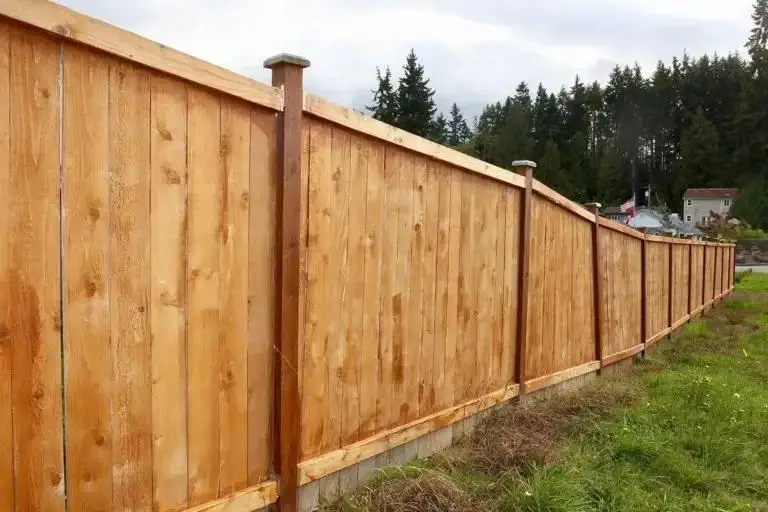
What Every Ohio Homeowner Should Know About Composite Deck Repair
Composite deck repair is something most homeowners can tackle themselves — if they know what type of damage they’re dealing with and which fix to use.
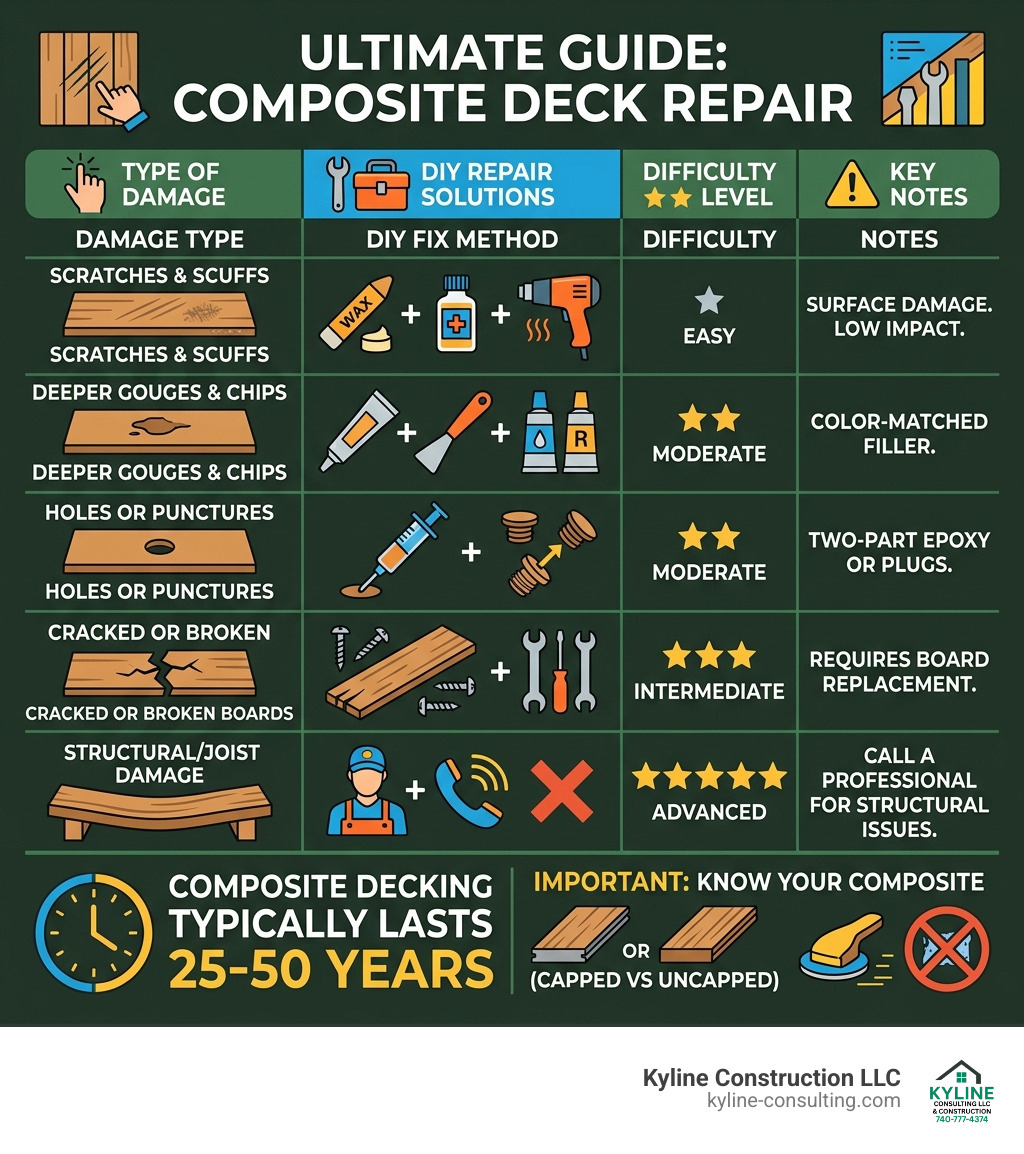
Here’s a quick breakdown:
| Damage Type | DIY Fix | Difficulty |
|---|---|---|
| Light scratches and scuffs | Wax stick, repair kit, or heat gun | Easy |
| Deeper gouges (under 3mm) | Color-matched filler or epoxy | Moderate |
| Holes or punctures | Two-part epoxy or composite plugs | Moderate |
| Cracked or broken boards | Full board replacement | Intermediate |
| Structural/joist damage | Call a professional | Advanced |
The good news? Composite decking is built to last — typically 25 to 50 years — and most surface damage won’t threaten the life of your deck. A few targeted repairs can restore its appearance and keep it safe underfoot.
That said, not all composite decking is the same. Capped boards, uncapped boards, solid core, and co-extruded products all behave differently and need different repair approaches. Using the wrong method — like sanding a capped board — can actually make things worse and void your warranty.
This guide walks you through everything: assessing the damage, choosing the right repair method, and knowing when it’s time to call in a pro.
I’m Shawn, owner of Kyline Consulting LLC and a lifelong construction professional based in Circleville, Ohio — composite deck repair and vinyl siding integration are the most common calls I get from Central Ohio homeowners, and I’ve seen every type of damage imaginable. Let’s get your deck looking the way it should.
Essential composite deck repair terms:
Assessing Damage: When to Repair vs. Replace
Before you start buying kits or firing up a heat gun, we need to take a hard look at the state of your deck. In Central Ohio, our weather swings from freezing winters to humid summers, which can take a toll on even the best materials, including your home’s vinyl siding and deck boards. When it comes to Fixing Composite Decking: When to Repair & When to Replace, the first step is a simple “fingernail test.” Run your nail across the scratch. If it catches, it’s a surface issue. If your finger sinks in, we’re talking about a gouge.
We always tell our neighbors in Columbus and Circleville that aesthetics are one thing, but structural integrity is another. You need to determine if the damage is localized (one or two boards) or widespread. If you see sagging or if the boards feel “spongy” when you walk on them, the problem might not be the composite surface at all. It might be the wooden substructure.
Unlike the composite boards themselves, the joists and beams underneath are usually pressure-treated lumber. This wood is susceptible to the Deck Rot Dilemma, especially if water has been trapped between the board and the joist. Poke the joists with a screwdriver; if it slides in like butter, you have rot. In these cases, a simple surface composite deck repair won’t cut it—you’ll need to pull up boards and address the skeleton of the deck before someone gets hurt.
Step-by-Step Guide to Composite Deck Repair
If the structure is sound and you’re just dealing with surface scars, it’s time to get to work. Most people jump straight to the fix, but the secret to a professional-looking repair is in the preparation.
1. Clean the Surface
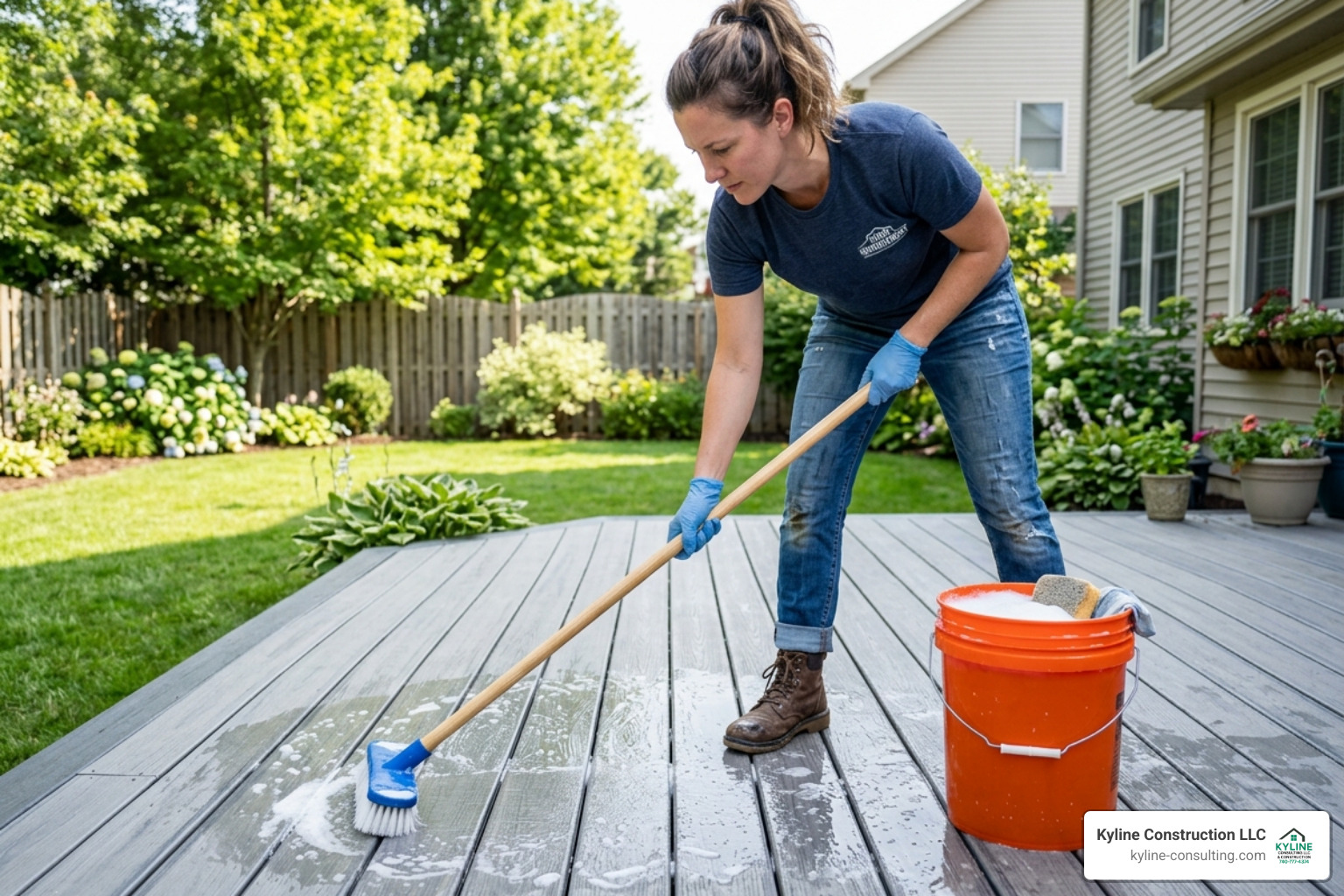
You cannot repair a dirty deck. Use a mixture of mild dish soap and warm water with a soft-bristle brush. Avoid using a pressure washer at high settings; anything over 1300 PSI can actually etch the surface of the composite and create more work for you. Refer to your Composite Decking Installation Your Ultimate Diy Guide for specific manufacturer cleaning tolerances.
2. Dry Completely
Composite materials need to be bone-dry before you apply fillers or heat. Even a little moisture trapped in a gouge can prevent epoxy from bonding or cause “clouding” when using a heat gun.
3. Follow Manufacturer Guidelines
Check your warranty! Brands like Trex, TimberTech, or NewTechWood have specific methods they approve. Sanding a “capped” board (one with a hard outer plastic shell) is a huge no-no. It removes the protective layer, exposes the wood-plastic core, and will likely void your warranty.
Fixing Scratches and Scuffs with Composite Deck Repair Kits
For minor scuffs—the kind caused by dragging a patio chair or a dog’s nails—a composite deck repair kit is your best friend. These usually come as wax sticks or specialized applicators.
Popular options include the NewTechWood DeScratch kit, which offers color-matched options like Peruvian Teak and Brazilian Ipe. These kits typically have ratings between 3.7 and 4.2 stars, and they work by filling the scratch with a durable, weather-resistant wax.
| Product | Best For | Price Range | Rating |
|---|---|---|---|
| NewTechWood DeScratch | Deep scratches/scuffs | $15 – $25 | 4.0/5 |
| Wax Filler Sticks | Fine surface lines | $10 – $20 | 3.5/5 |
| Cut-N-Treat Preservative | Cut ends/exposed core | ~$15/qt | 4.4/5 |
To use a wax stick, you simply rub it firmly into the scratch until it’s slightly overfilled, then use a plastic scraper or a clean cloth to buff it flush with the board. It’s like using a giant crayon, and it’s remarkably effective for making those white “stress marks” disappear. If you’re unsure which kit matches your specific Ohio deck, checking out Top Rated Deck Building Repair Near You can help you find local suppliers with the right stock.
Using Heat and Fillers for Deep Gouges
When the damage is deeper than a scratch—say you dropped a heavy cast-iron grill grate—you need a more robust solution.
The Heat Gun Method: This is a “pro-tip” that requires a steady hand. By carefully applying heat to a scratch, you can sometimes soften the plastic polymers enough that they “self-heal” and blend back together.
- Hold the heat gun about 6 inches away from the surface.
- Move it constantly in a back-and-forth motion.
- Watch for the scratch to darken and blend.
- Warning: Do this too long, and you’ll melt the board or create a shiny spot that looks worse than the scratch. Always practice on a scrap piece first!
The Filler Method: For gouges deeper than 3mm, we recommend a two-part epoxy or a custom silicone-dust mixture. If you have scrap pieces of your decking, you can use a file to create “dust.” Mix this dust with clear silicone caulk (aim for a 60/40 dust-to-caulk ratio) and press it into the hole with a putty knife. This provides an almost perfect color match. This is a common technique used by Expert Deck Repair Services in Pickaway County, OH to save homeowners from the cost of full board replacement.
Replacing Damaged Boards Like a Pro
Sometimes, a board is just too far gone. Maybe it’s cracked all the way through or warped due to a joist issue. In these cases, you need to know How To Replace a Section of Decking Boards.
The Removal Process
If your deck uses hidden fasteners, this can be tricky. You’ll need to use a circular saw to cut the damaged board down the middle (be careful not to hit your joists!). Once the center is removed, you can pry the remaining edges out from the hidden clips.

The Installation
When installing the new board, remember the golden rule: Expansion Gaps. Composite expands and contracts much more than wood. In the Columbus area, where we see massive temperature swings, leaving a 1/8″ to 1/4″ gap at the ends is vital. If you don’t, the boards will buckle against each other by July.
If you can’t use hidden fasteners for the replacement, use color-matched face screws. These are designed to “sink” into the board, and the composite material often self-seals over the head of the screw, making it nearly invisible.
Professional Composite Deck Repair: Real Contractors vs. Paper Contractors
I want to get real with you for a second because this is the most important choice you’ll make for your home. There’s a massive, fundamental difference between ‘paper contractors’ and ‘real contractors.’ A paper contractor is essentially a middleman—a salesman with a clipboard who manages a revolving door of the cheapest subcontractors he can find. They often lack the technical knowledge to spot structural issues or handle complex vinyl siding transitions. If a sub-contractor disappears, the paper contractor is stuck because they don’t actually know how to swing a hammer.
At Kyline Construction LLC, we are real contractors. We are builders first. If a problem arises on-site, I have the hands-on expertise to pick up the tools and solve it personally. We don’t just manage projects; we master them. Whether you’re in Circleville or downtown Columbus, you deserve the accountability and skill of a real contractor who understands every inch of your deck and how it ties into your home’s vinyl siding.
If you’re feeling overwhelmed, don’t hesitate to reach out to Ohios Best Deck Repair Pros or check out other Deck Builders in Columbus Ohio to get a professional assessment.
Preventing Future Damage to Your Deck
The best composite deck repair is the one you never have to do. Here’s how to keep your deck looking brand new:
- Furniture Pads: This is the #1 cause of scratches. Put rubber or felt pads on the bottom of all patio furniture.
- Plastic Shovels: When Ohio winters hit, never use a metal-edged shovel on your deck. It will gouge the capping instantly. Use a plastic shovel or a broom.
- Regular Sweeping: Dirt and grit act like sandpaper under your feet. Sweep your deck weekly to prevent micro-scratches.
- Avoid Paints and Stains: Most modern composites are not designed to take paint. It won’t adhere properly and will peel, creating a maintenance nightmare. Much like the vinyl siding on your home, these materials are engineered to be low-maintenance and should never be coated.
- Rubber-Backed Mats: Be careful with these—some rubber backings can react with the plastic in the deck and cause permanent discoloration. Look for “breathable” mats.
For more maintenance tips, check our main page on decks.
Frequently Asked Questions about Composite Deck Repair
Can I sand out scratches on my composite deck?
Generally, no. If you have a capped composite (like most boards made after 2010), sanding will destroy the protective “skin” and reveal the different-colored core underneath. You should only sand “first-generation” uncapped composites, and even then, it can leave a “fuzzy” texture.
How do I match the color of a faded deck board?
If you replace a single board, it will likely look darker than the rest of your deck because it hasn’t been “weathered” by the sun yet. The best trick is to leave the new board out in the sun for a few weeks before installing it. In Central Ohio, it usually takes about 8-12 weeks for a new board to fade enough to match the existing ones.
Will DIY repairs void my manufacturer warranty?
It depends on the method. Using manufacturer-approved kits like NewTechWood DeScratch is usually fine. However, using unapproved paints, aggressive sanding, or structural modifications without a pro can definitely void those 25-50 year warranties. Always read the fine print before you start.
Conclusion
Composite deck repair doesn’t have to be a headache. Whether you’re buffing out a small scuff with a wax stick or ensuring your deck is properly integrated with your home’s vinyl siding, most of these fixes are well within the reach of a determined DIYer.
However, your deck is only as good as the structure supporting it. If you’re seeing signs of rot or structural failure, that’s where we come in. At Kyline Construction LLC, we bring 40+ years of experience to every project in Central Ohio. We aren’t just here to sell you a service; we’re here to ensure your outdoor space is safe, beautiful, and built to last another 50 years. We are real contractors who take pride in our craft, not paper contractors who hide behind a desk.
If you’ve got a deck project that feels a bit too big for a DIY weekend, or if you want a free, no-obligation estimate for a full renovation, we’re here to help. More info about deck services is just a click away. Let’s build something great together.