Why Energy Efficiency Matters for Your Windows
Energy efficient glass block windows are specialized window units that combine thick, hollow glass blocks with advanced technologies like Low-E coatings and argon gas fills to provide superior insulation while allowing natural light and privacy.
Quick Answer: Are They Energy Efficient?
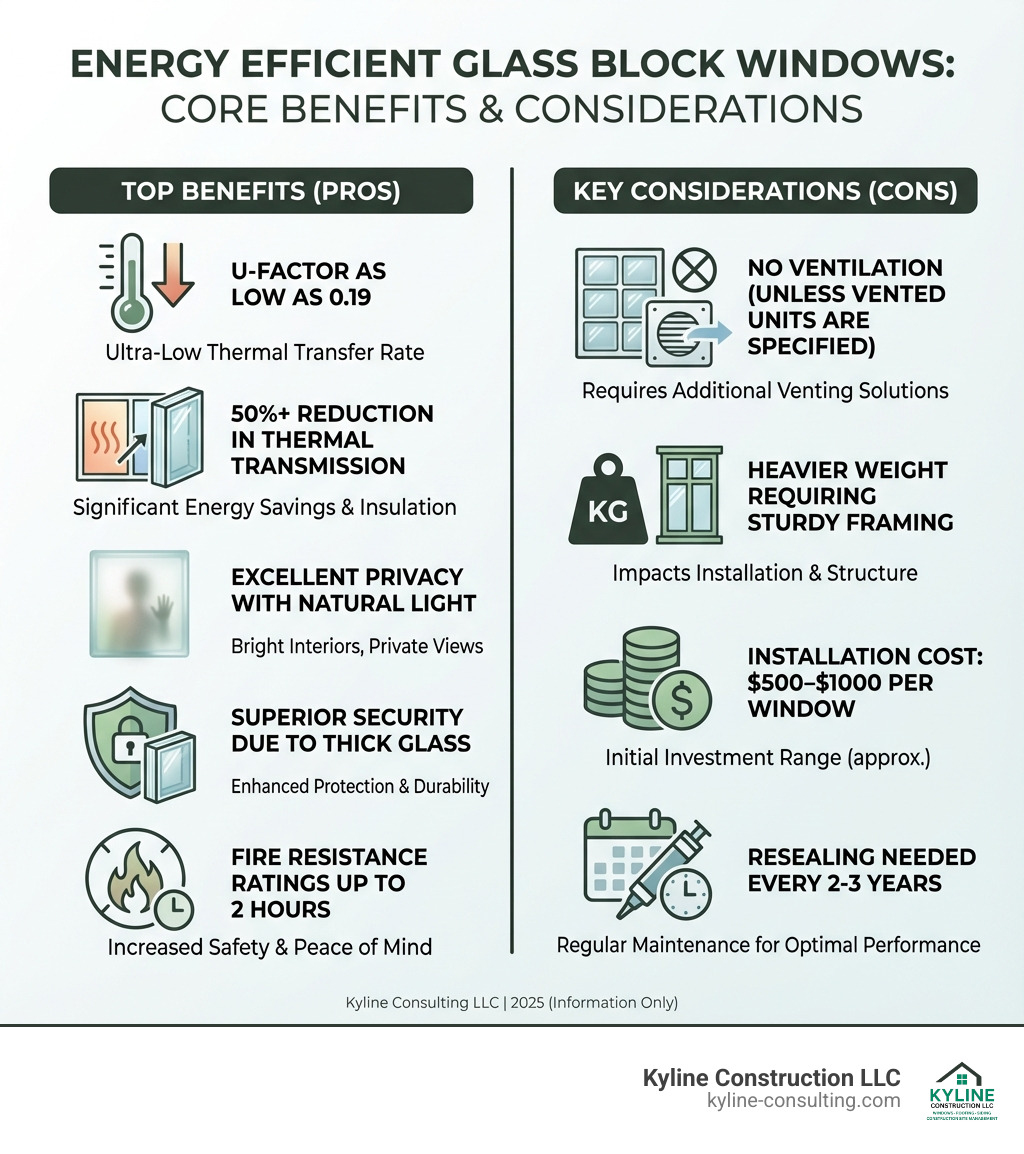
- Yes, they can outperform many traditional windows
- U-Factor as low as 0.19 (compared to 0.48 for standard double-pane)
- Twice as efficient as single-pane windows
- Lower thermal transmission by more than 50% with advanced features
- Similar insulation to thermal-pane windows, but with added security and privacy
If you’ve ever looked at your energy bill after a harsh Ohio winter and wondered where all that heat went, the answer might be staring you right in the face—your windows. According to industry research, up to 70 percent of your home’s heat can escape through inefficient windows. That’s like throwing money directly out the window.
Glass block windows offer a unique solution. Unlike traditional windows, each block is essentially a mini double-paned unit, fused together with a partial vacuum inside. The advanced energy-efficient versions add Low-E coatings and argon gas to dramatically improve performance. They’re not just functional—they bring natural light into basements and bathrooms while maintaining complete privacy and adding serious security.
I’m Shawn Zeisler, of Kyline Consulting LLC, and throughout my career in construction and exterior remodeling, I’ve helped countless Ohio homeowners evaluate window options, including energy efficient glass block windows, to improve both comfort and energy costs. This guide will help you understand if they’re the right choice for your home.
The Science Behind How Glass Block Windows Save Energy
When we talk about windows, we’re really talking about controlling the transfer of heat. Heat has a mind of its own, always trying to move from warmer areas to colder ones. This section explains the technology that makes energy efficient glass block windows an efficient choice for your home, helping us keep the heat where it belongs—inside during our chilly Ohio winters and outside during our warm summers.
How Standard Glass Blocks Provide Insulation
At their core, standard glass blocks are already quite clever insulators. Imagine two pieces of glass, melted together to form a hollow block. This creates an internal chamber, typically filled with under-pressured air. This trapped air space acts as a natural buffer against temperature changes. Instead of heat easily passing through a single pane of glass, it has to work its way through the first layer of glass, then the air pocket, and finally the second layer of glass.
This basic hollow construction gives glass blocks a significant advantage over old single-pane windows, making them twice as efficient. They offer about as much insulation and thermal protection as a traditional double-pane window. Where a standard double-pane window with a 1/2 inch air space might have a U-Factor of 0.48, a standard glass block window can achieve similar thermal resistance. This initial design, essentially a “mini double-paned window” in each block, forms the foundation for their energy-saving capabilities.
Advanced Features in Energy Efficient Glass Block Windows
To truly lift their energy performance, energy efficient glass block windows go beyond just a simple air pocket. Manufacturers have incorporated advanced technologies to further reduce heat transfer, making them formidable contenders in the energy-efficient window market.
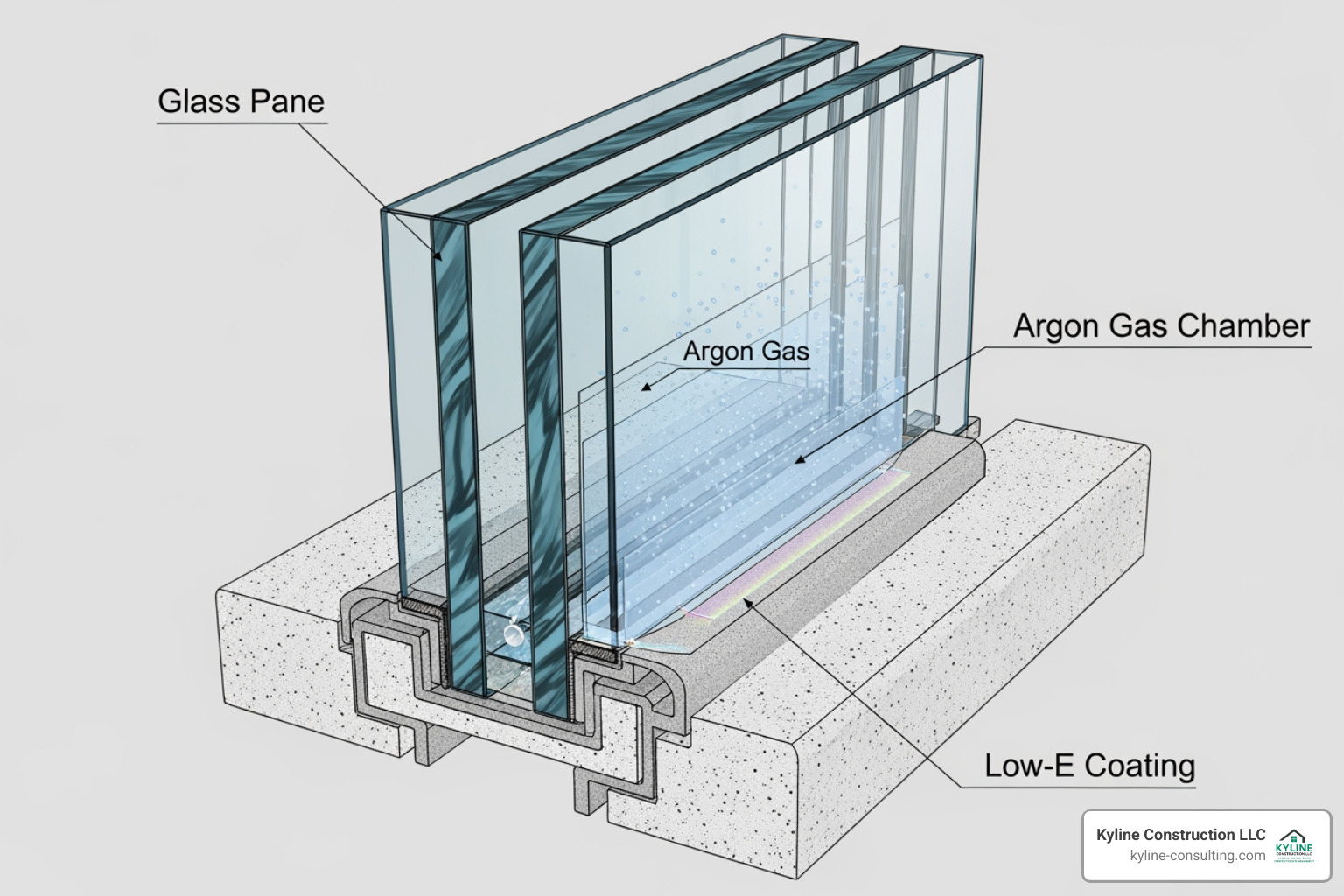
One of the most significant advancements is the use of Low-E coatings. “Low-E” stands for low emissivity, and it refers to microscopically thin, transparent metallic layers applied to the glass surface. These coatings are designed to reflect infrared light while allowing visible light to pass through. This means that in winter, the coating reflects the heat generated inside your home back indoors, keeping you warmer. In summer, it reflects the sun’s heat away from your home, helping to keep it cooler. This reflection property is key to controlling radiant heat transfer, which accounts for a large portion of heat loss or gain through windows.
Another crucial feature is the introduction of argon gas fill into the sealed chamber of the glass block. Argon is an inert, non-toxic gas that is denser than air. Because of its higher density, argon is a poorer conductor of heat than air. Filling the space between the glass panes with argon significantly reduces heat transfer by convection and conduction. This can lower thermal transmission by more than 50% compared to a block filled with just air. Some high-performance glass blocks even feature dual-pane inserts within the block and a polystyrene frame that acts as a thermal break, further enhancing insulation by interrupting the path of heat transfer through the block’s structure.
These advanced features in energy efficient glass block windows are so effective that they can contribute to green building certifications like LEED green building certifications. This means that by choosing these windows for your Ohio home, you’re not just saving on energy bills, you’re also making an environmentally responsible choice that can be recognized in the broader green building community.
Decoding Performance: Glass Block vs. Traditional Windows
Understanding the numbers is key to choosing the right window for your home. When we’re evaluating how well a window performs in terms of energy efficiency, we look at specific ratings. Here’s how energy efficient glass block windows stack up against traditional options.
Understanding Key Window Energy Ratings
To make informed decisions about windows, it’s essential to understand the language of energy performance ratings. The National Fenestration Rating Council (NFRC) label is your best friend here. It provides a standardized way to compare products, regardless of the manufacturer. Here are the key metrics we look for, as explained by resources like the Department of Energy’s How to read performance ratings:
- U-Factor: This measures how well a window prevents non-solar heat from escaping your home. Think of it as the rate of heat loss. The lower the U-Factor, the more energy-efficient the window is at keeping warmth inside during winter and heat outside during summer. NFRC U-factor ratings represent the entire window, including the frame and spacer materials.
- Solar Heat Gain Coefficient (SHGC): This measures how much solar radiation (heat from the sun) is admitted through a window. A lower SHGC means less solar heat enters your home, which is ideal for reducing cooling loads during hot Ohio summers. Conversely, a higher SHGC can be beneficial in colder climates if you want to maximize passive solar heating.
- Visible Transmittance (VT): This rating indicates how much visible light passes through a window. A higher VT means more natural light comes into your home, reducing the need for artificial lighting during the day. It’s expressed as a number between 0 and 1.
- Air Leakage (AL): This measures how much air can pass through cracks in the window assembly. A lower AL rating indicates a tighter, better-sealed window, which means fewer drafts and better energy performance.
These ratings allow us to compare apples to apples, helping us select windows that are best suited for Ohio’s climate and our homeowners’ specific needs.
How Do Energy Efficient Glass Block Windows Compare?
When we look at the numbers, energy efficient glass block windows consistently demonstrate impressive performance. Let’s compare some typical U-Factors:
| Window Type | Typical U-Factor (Btu/hr ft °F) |
|---|---|
| Energy Efficient Glass Block | 0.19 – 0.34 |
| Standard Glass Block (approx.) | 0.53 (3.0 W/m2K) |
| Traditional Double-Pane Window | 0.48 |
| Double-Pane with 0.20 Low-E Coating | 0.39 |
| Double-Pane with 0.10 Low-E Coating | 0.37 |
As you can see, energy efficient glass block windows can have U-Factors as low as 0.19, which is significantly better than a traditional double-pane window’s 0.48. This means they are far more effective at preventing heat transfer. In fact, some unframed energy efficient glass block panels can achieve a U-factor of 0.34, while framed panels can be around 0.38. This performance often puts them on par with, or even outperforms, many types of traditional windows, including some Low-E double-pane options.
They are notably twice as efficient as single-pane windows, offering a substantial upgrade for older homes in Ohio. With advanced features like argon gas and Low-E coatings, these blocks can lower thermal transmission by more than 50%, providing similar insulation to thermal-pane windows but with the added benefits of security and privacy that only glass blocks can offer. Some factory-built glass block windows even meet federal ENERGY STAR® efficiency guidelines, a testament to their superior performance.
Practical Considerations: Cost, Style, and Application
Beyond just energy efficiency, there are many practical aspects to consider before choosing glass block for your home. We’ve found that homeowners in Circleville, Columbus, and across Ohio appreciate knowing the full picture.
Best Rooms and Applications
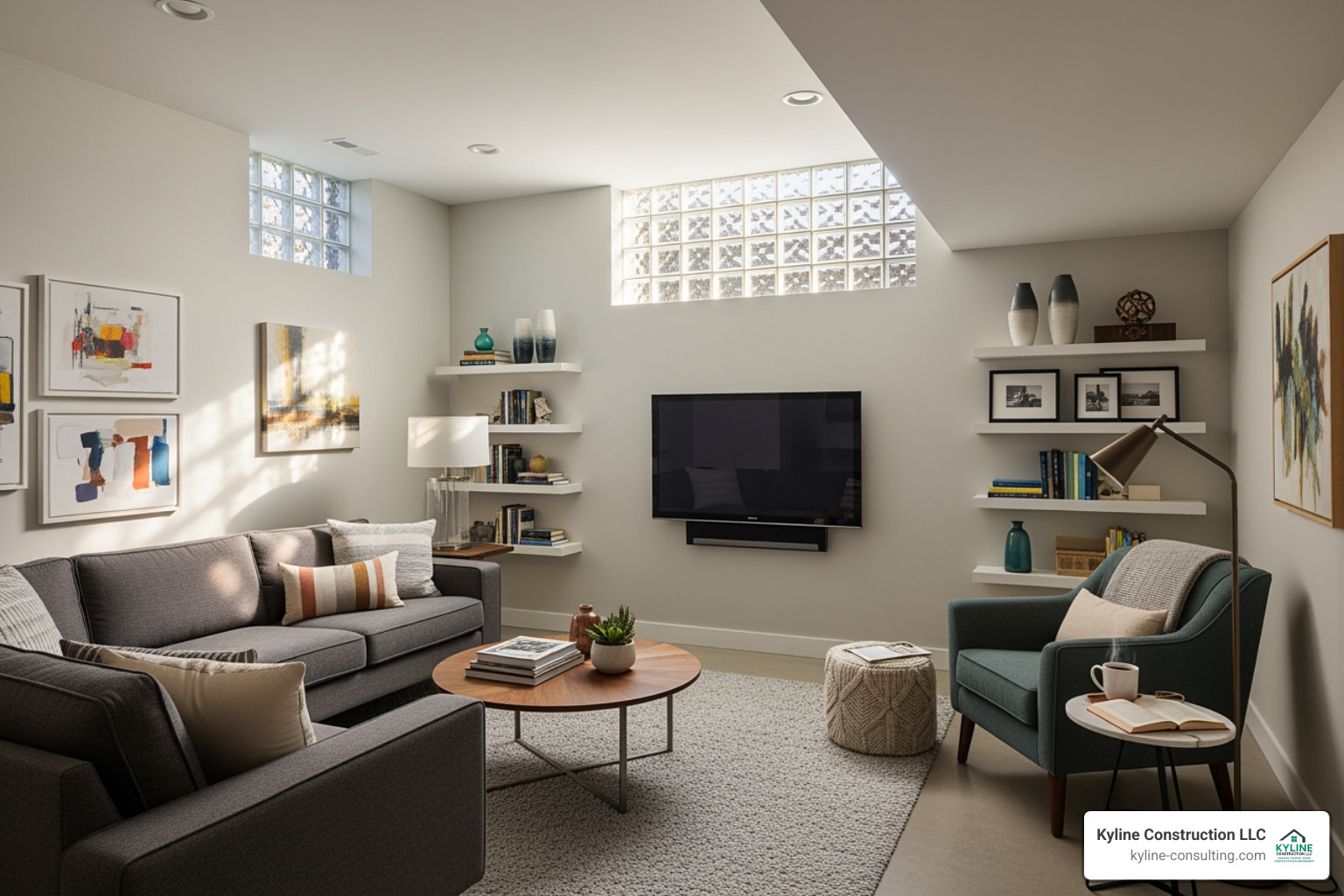
Energy efficient glass block windows truly shine in specific areas of your home where privacy, natural light, and security are paramount, and ventilation isn’t a primary concern.
- Basements: This is perhaps the most common and beneficial application. Glass block windows in basements allow natural light to filter in, making the space feel brighter and more inviting, without compromising security. They are incredibly difficult to break through, offering peace of mind against intruders. Their energy efficiency also helps keep basements warmer in winter and cooler in summer, reducing moisture and energy costs.
- Bathrooms and Showers: For homeowners seeking privacy without sacrificing natural light, glass blocks are an ideal choice. They diffuse light beautifully, creating a soft, ambient glow while obscuring clear views from outside. In showers, they can create a seamless, spa-like feel, and their waterproof nature makes them perfect for wet environments.
- Garages: Similar to basements, garage windows benefit from the security and natural light provided by glass blocks. They deter break-ins while still allowing daylight for tasks.
- Entryways and Sidelights: Incorporating glass blocks into front hallways or as sidelights beside a door can introduce light into darker areas and create visual separation without sacrificing privacy or security. They create a welcoming, yet secure, entrance.
- Partition Walls: Beyond exterior applications, glass blocks can be used indoors to create stunning partition walls that allow light to pass between rooms while maintaining privacy and a sense of distinct spaces.
These windows excel in these areas because they address unique challenges that traditional windows might not. Their inherent security, privacy-enhancing qualities, and excellent insulation make them a smart choice for specific functional and aesthetic needs in your Ohio home.
Aesthetic Choices and Design Flexibility
One of the often-underestimated aspects of energy efficient glass block windows is their versatility in design. They are far from a one-size-fits-all solution; there’s a wide array of aesthetic options to complement any home style.
You can choose from various patterns that affect light diffusion and privacy:
- Wavy (Nubio): This classic pattern offers excellent light transmission with significant visual distortion, providing a high degree of privacy.
- Clear (Clarity): For maximum light transmission and a more contemporary look, clear blocks are available. While they still offer more obscurity than plain glass, they are less distorting than wavy patterns.
- Diamond: If complete privacy is paramount, especially at night, diamond-patterned glass blocks offer the highest level of obscurity, ensuring that only vague shapes and shadows are visible.
- Frosted: A frosted finish adds an extra layer of privacy and a soft, diffused light effect, perfect for bathrooms or areas where gentle illumination is desired.
Beyond patterns, you also have choices in how the blocks are presented:
- Framed vs. Frameless Options: Depending on your aesthetic preference and structural requirements, you can opt for frameless installations for a sleek, continuous glass look, or framed panels for a more defined appearance.
- Various Sizes and Thicknesses: Glass blocks come in different dimensions and thicknesses, allowing for customization to fit specific openings and design visions.
This design flexibility means that we can tailor energy efficient glass block windows to perfectly match your home’s architecture and your personal style, whether you’re aiming for a modern, minimalist look or something more traditional.
Cost, Value, and Potential Drawbacks
When considering any home improvement, the cost is always a significant factor. For energy efficient glass block windows, the average installation cost can range from $500 to $1,000, including professional installation. While this might seem comparable to or slightly higher than some standard window replacements, it’s important to look at the long-term value.
When you’re Comparing window replacement costs, the initial outlay for energy-efficient options often translates into significant long-term energy savings. By reducing heat loss in winter and heat gain in summer, these windows can lead to noticeable reductions in your monthly utility bills. Over time, these savings can offset the initial investment, making them a wise financial decision for your Ohio home.
However, it’s also crucial to address the main limitation of glass block windows: their inherent lack of ventilation. Because they are fixed units, they generally cannot be opened. This means they are not suitable for rooms where airflow is essential, such as kitchens that need to vent cooking odors or bedrooms that require fresh air.
To mitigate this, vented options are available. These incorporate small, operable vents or sashes within the glass block panel, allowing for some airflow when needed. While these vented units address the ventilation drawback, they might slightly impact the overall energy efficiency or security compared to a fully sealed block. It’s a trade-off that we can discuss to find the best solution for your specific needs.
Installation and Long-Term Maintenance
To truly reap the benefits of your energy efficient glass block windows, proper installation and consistent maintenance are non-negotiable. Our team at Kyline Construction LLC, with over 40 years of experience serving Ohio homeowners, understands the nuances of these unique window systems.
The Glass Block Installation Process
Installing glass block windows is a specialized skill that differs significantly from traditional window installation. Unlike standard windows that typically slide into a framed opening, glass block windows are often constructed much like a brick wall, using mortar.
Here’s what that entails:
- Mortar Construction: Individual glass blocks are laid with mortar joints, similar to masonry. This requires precision to ensure a level and square panel. The mortar used for glass blocks is also typically drier than regular brick mortar because glass is non-porous and doesn’t absorb water.
- Weight Considerations: Glass blocks are heavy. A completed panel can be substantial, requiring a sturdy base and adequate structural support, especially for larger exterior installations. This is why professional installation is critical.
- Sturdy Framing Requirements: The surrounding frame or opening must be robust enough to support the weight of the glass block panel and withstand any expansion or contraction.
- Prefabricated Panels vs. Individual Blocks: For many residential applications, especially for smaller openings like basement windows, prefabricated glass block panels are often used. These are pre-assembled units that can be installed as a single piece, simplifying the process. For larger, custom designs, individual blocks are laid on-site.
- Sealing with Silicone Caulk: Once the mortar has cured, all perimeter joints and any gaps around the frame are sealed with silicone caulk. This is crucial for weatherproofing, preventing air and water infiltration, and ensuring the window’s energy performance.
- Importance of Professional Installation: Given the weight, the specialized mortar work, and the need for meticulous sealing, professional installation is highly recommended. Our experienced team ensures that your energy efficient glass block windows are installed correctly, providing optimal performance and longevity. You can learn more about Our window installation services and how we prioritize quality and safety in every project.
How to Maintain Your Windows for Peak Performance
One of the great advantages of energy efficient glass block windows is their minimal maintenance requirements. With proper care, they can provide decades of reliable service.
- Simple Cleaning Methods: Cleaning glass block windows is much like cleaning any other window. A simple wash with soap and water is usually sufficient for both interior and exterior surfaces. For exterior cleaning, power washing can even be used, making quick work of larger installations.
- Resealing Mortar Joints: The most important maintenance task for glass block windows is resealing the mortar joints. We recommend resealing with silicone caulk every two to three years. This prevents moisture intrusion, maintains the integrity of the panel, and ensures continued energy efficiency by eliminating potential air leaks.
- Checking for Damage: Periodically inspect your glass block windows for any chipped mortar, cracked blocks, or signs of seal failure. While glass blocks are durable, damage can occur, and addressing it promptly will prevent further issues.
- Lifespan: With proper installation and routine maintenance, glass block windows can last anywhere from 15 to 30 years, and often longer. This lifespan is comparable to many traditional windows, but their robust construction and low maintenance often mean fewer headaches over the years. By following these simple steps, you’ll ensure your energy efficient glass block windows continue to perform at their best, keeping your Ohio home comfortable and your energy bills lower.
Frequently Asked Questions about Glass Block Windows
We understand you might have more questions about these unique windows. Here are quick answers to some common inquiries. For more in-depth information, check out our Articles & FAQs section on our website.
Can you see through glass block windows at night?
This is a common question, especially when considering privacy for areas like bathrooms. The answer is generally no, you cannot see clearly through glass block windows at night. While they allow light to pass through, the patterns and thickness of the glass, especially in obscure or diamond patterns, significantly distort any views. You might perceive shapes and shadows visible, but no distinct details. If absolute, complete privacy is your goal, opting for a diamond or frosted pattern will offer the highest level of obscurity, ensuring that your privacy is maintained even with interior lights on.
Are glass block windows a fire hazard?
Absolutely not. In fact, energy efficient glass block windows can actually improve your home’s fire safety. Unlike traditional windows that can shatter and allow fire to spread quickly, modern glass blocks are designed to resist high temperatures and prevent the rapid spread of flames and smoke. Many glass block options are fire-rated, offering 45-minute, 60-minute, or even 90-minute fire resistance. This is often superior to the typical 20 to 90-minute rating for a standard double-pane window, providing an added layer of protection for your Ohio home and its occupants in the event of a fire.
What is the typical lifespan of a glass block window?
The lifespan of a glass block window can range from 15 to 30 years, and often even longer with good care. This duration is comparable to, or sometimes even exceeds, that of many standard windows. The key factors influencing longevity are the quality of the initial installation and consistent maintenance. As we discussed, tasks like resealing the mortar joints every few years are vital to protect the integrity of the panel and extend its life, ensuring your investment continues to pay off for decades.
Conclusion: A Smart and Stylish Choice for Your Home
As we’ve explored, energy efficient glass block windows offer a compelling blend of benefits that make them a bright idea for many Ohio homeowners. They provide exceptional energy efficiency, often outperforming traditional double-pane windows, thanks to advanced features like Low-E coatings and argon gas fills. This translates directly into lower heating and cooling costs, keeping your home comfortable year-round.
Beyond the energy savings, these windows deliver unparalleled privacy while still allowing abundant natural light to flood your spaces. Their robust construction also means improved security, making them a formidable barrier against intruders. While they do have the limitation of generally not opening, this is often a non-issue in applications like basements, bathrooms, or garages, where their other benefits truly shine.
At Kyline Construction LLC, we believe in providing solutions that improve both the comfort and value of your home. With our 40+ years of experience in exterior remodeling across Circleville, Columbus, and the greater Ohio area, we’ve seen the transformative power of quality craftsmanship. For expert window installation, including top-tier energy efficient glass block windows, trust our team to get the job done right, with quality, safety, and a free, no-obligation estimate.
Ready to brighten your home and save on energy bills? Explore your window options with us today!