A Carpenter’s Take on Siding Estimates
Siding replacement estimates can feel overwhelming when you’re trying to figure out what’s fair. Here’s what most Ohio homeowners can expect to pay:
| Home Size | Vinyl Siding | Fiber Cement |
|---|---|---|
| 1,500 sq ft | $6,750 – $12,300 | $7,050 – $12,750 |
| 2,000 sq ft | $9,000 – $16,400 | $9,400 – $17,000 |
| 2,500 sq ft | $11,250 – $20,500 | $11,750 – $21,250 |
The national average for siding replacement runs between $5,568 and $17,707, with most homeowners spending around $11,579. But those numbers don’t tell the whole story. Your actual cost depends on your home’s size, the material you choose, how complex your house is to work on, and what’s hiding under your current siding.
I’ve been swinging a hammer for several years, and I’ve priced out hundreds of siding jobs. I’ve seen homeowners get taken advantage of with inflated quotes, and I’ve seen others burned by contractors who bid too low and cut corners. A siding replacement estimate should be clear, honest, and backed by someone who knows what it actually takes to do the job right.
This guide breaks down exactly what you’re paying for when you replace your siding. I’ll show you how to spot a fair price, what red flags to watch for, and how to make sure you’re getting quality work that protects your home for decades.
Breaking Down Your Siding Replacement Estimate: What Are You Paying For?
When you get a siding replacement estimate, it’s more than just a number at the bottom of a page. It’s a detailed plan that covers everything from the materials that protect your home to the hands that put it all together. Think of it like building a house – you wouldn’t just ask for the cost of “a house,” right? You’d want to know about the foundation, the framing, the roof, and everything in between. Siding is no different.
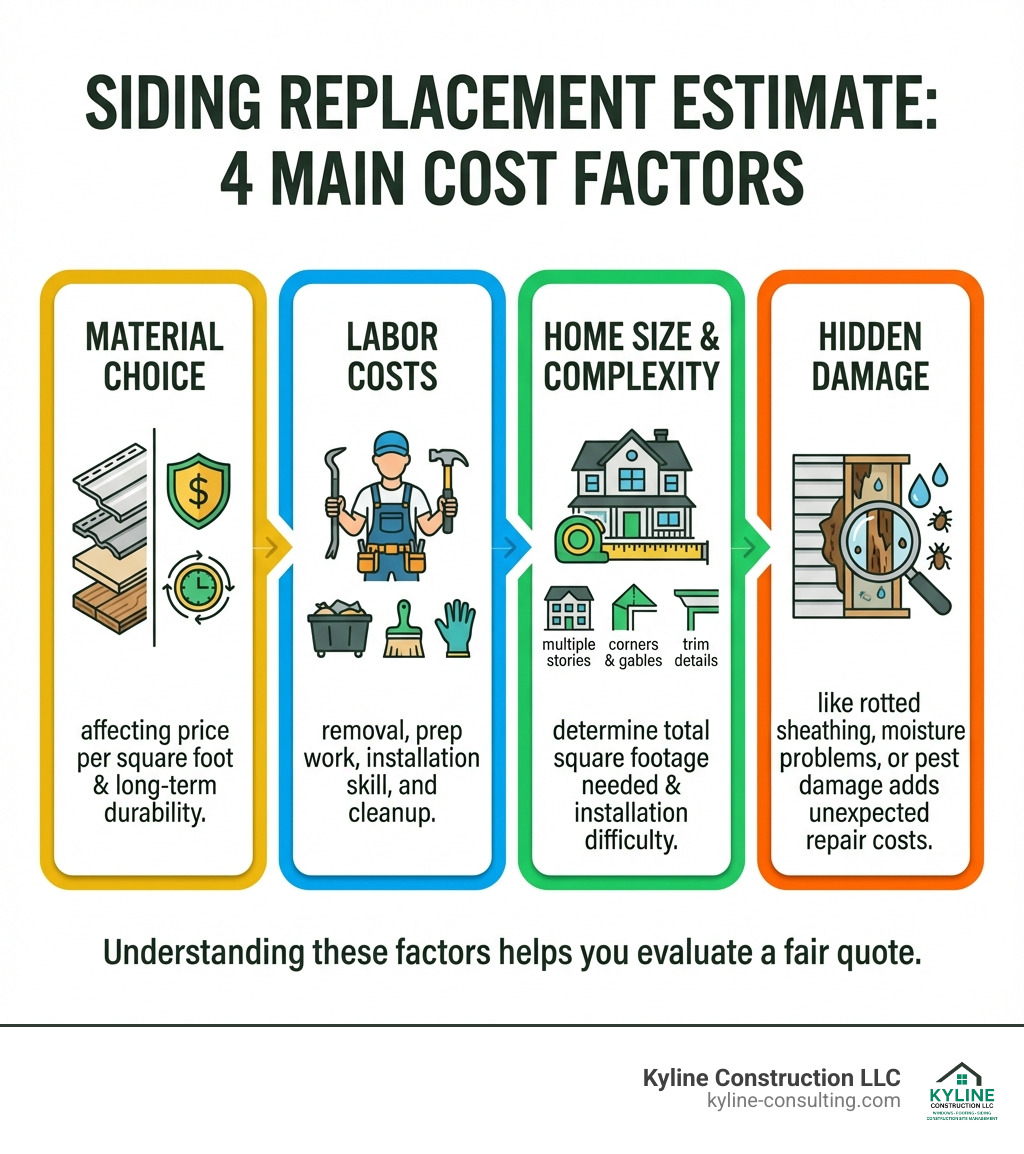
Our estimates typically include a breakdown of:
- Materials cost: This is the actual siding, plus all the necessary bits and pieces that hold it on and make it look sharp.
- Labor cost: The wages for the crew who are doing the hard work of removal and installation.
- Overhead: This covers the business side of things – insurance, office staff, equipment maintenance, and all the stuff that keeps a reputable company running.
- Permits: Most municipalities in Ohio require permits for major exterior work to ensure it meets local building codes. We handle all that paperwork for you.
- Debris disposal: Getting rid of the old siding isn’t a small task. It needs to be hauled away and disposed of properly.
Materials: More Than Just the Panels
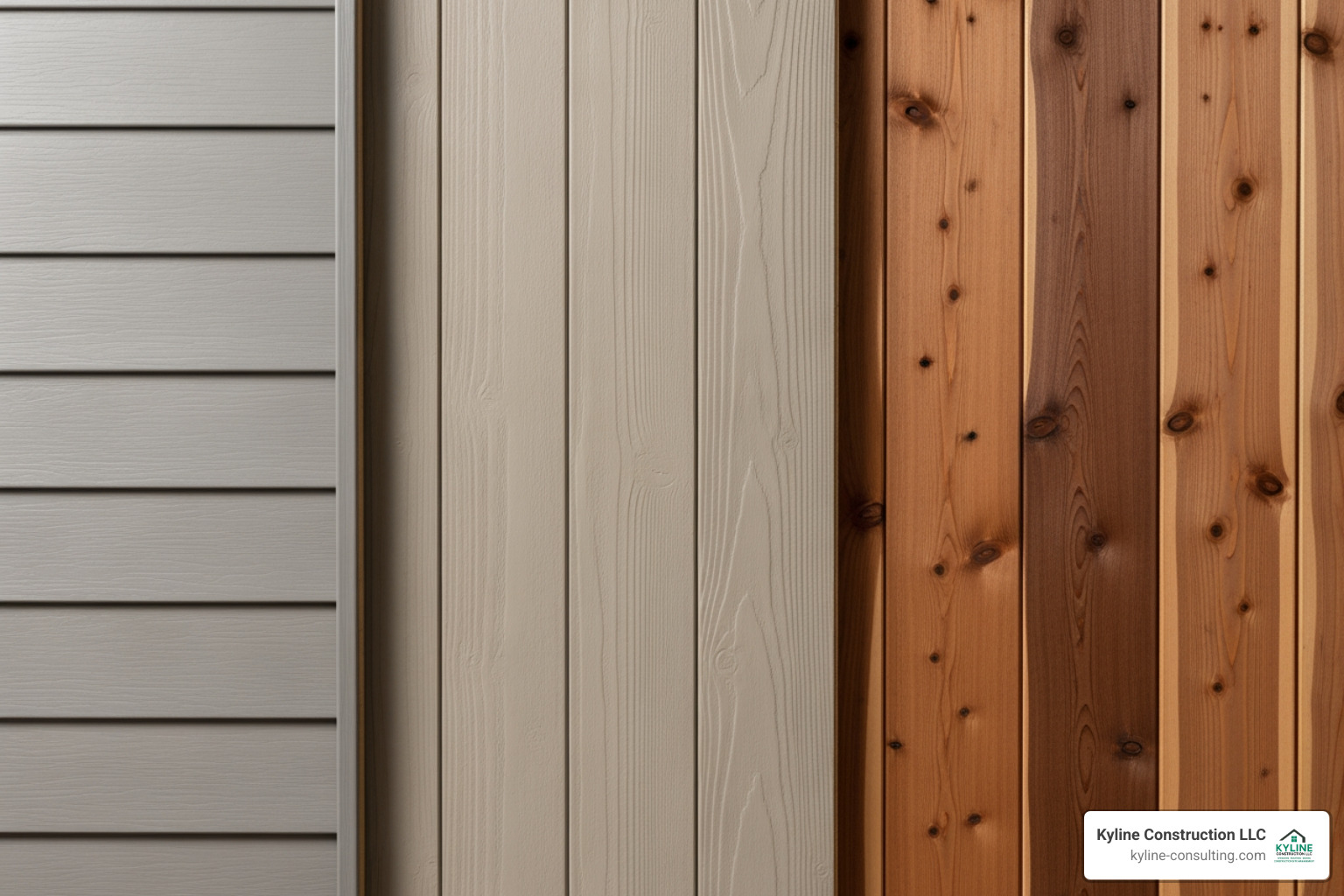
The siding panels themselves are just one part of the material cost. Imagine trying to build a wall with just bricks – it wouldn’t stand! You need mortar, ties, and a strong foundation. Same goes for siding.
Here’s a quick look at how common siding materials stack up:
| Material | Installed Cost per Sq. Ft. | Lifespan | Maintenance Level |
|---|---|---|---|
| Vinyl | $4.50 – $8.20 | 20-40 years | Low |
| Fiber Cement | $4.70 – $8.50 | 30-50+ years | Moderate |
| Wood | $6.90 – $13.90 | 20-40+ years | High |
Beyond the panels, your estimate will include things like:
- Trim boards: These are the pieces that go around windows, doors, and at corners, giving your home a finished, professional look.
- House wrap: This crucial layer goes between your home’s sheathing and the new siding. It acts as a moisture barrier and can improve your home’s energy efficiency.
- Fasteners: Nails, screws, and clips designed specifically for your chosen siding material to ensure it stays put, even in Ohio’s sometimes wild weather.
We also work with durable composite siding, which offers a great balance of aesthetics and resilience. When working with composite, we use specialized circular saws to get clean, precise cuts. You can expect composite materials to last a good 25-50 years, giving you peace of mind for decades.
Labor: The Cost of Craftsmanship
I always say, “Good work ain’t cheap, and cheap work ain’t good.” Labor is often the largest portion of any siding replacement estimate, and for good reason. It’s not just about slapping up panels; it’s about skill, experience, and attention to detail.
Most contractors in our area will price labor either by the hour or per square foot. Our experienced professionals have been changing Ohio homes for over 40 years, ensuring quality and safety. We know what it takes to do the job right.
Here’s what our labor covers:
- Old siding removal: This can be a messy and time-consuming job, especially if the old material is stubborn or damaged.
- Site preparation: Getting the walls ready, ensuring a level surface, and installing that important house wrap.
- Installation complexity: Homes with lots of windows, doors, gables, or intricate architectural details take more time and specialized skill to side properly.
- Safety gear and scaffolding: We prioritize safety for our crew and your property. This means using the right equipment for lift work.
- Final cleanup: We don’t just finish the siding and disappear. A thorough cleanup of your property is part of our commitment.
For more details on how we approach siding projects and what we offer, visit our siding services page.
Key Factors That Drive Your Siding Cost Up or Down
You might have two neighbors with similar-sized houses, yet their siding replacement estimates are wildly different. How can that be? Well, it usually comes down to a few key factors that go beyond just the material choice.
- House size: This is pretty straightforward. A bigger house means more material and more labor, so a higher cost.
- Home complexity: This is where things get interesting. A simple ranch home is much easier to side than a two-story house with multiple dormers, bay windows, and lots of corners. Each of those architectural features adds time and specialized work.
- Architectural style: Some styles naturally have more intricate details or require specific siding applications that increase labor.
- Number of stories: Multi-story homes require scaffolding and more careful planning, which drives up labor costs.

Siding Material Showdown: Vinyl vs. Fiber Cement
These two materials are often at the top of homeowners’ lists for good reason. They both offer great protection and curb appeal, but they have distinct differences in cost and performance.
- Vinyl Siding: This is generally the most affordable option, with installed costs ranging from $4.50 to $8.20 per square foot. It’s low-maintenance, comes in a huge variety of colors, and can be installed relatively quickly. However, some homeowners feel it lacks the premium look of other materials. While durable, it’s not as resilient to extreme impacts or fire as fiber cement, and can sometimes warp in intense heat or strong winds.
- Fiber Cement Siding: Often seen as a step up, fiber cement costs a bit more, typically $4.70 to $8.50 per square foot installed. It’s made from a mix of sand, cement, water, and cellulose fibers, making it incredibly durable. It can last 50 years or more, and it’s resistant to rot, insects, and fire. It can also mimic the look of wood, brick, or stucco. The downside? It’s heavier and requires specialized installation, which can increase labor costs slightly. Maintenance involves periodic painting, but it holds paint well.
When we’re helping you decide, we look at your budget, your aesthetic preferences, and what kind of weather your home sees here in Ohio.
Don’t Forget These Additional Costs in Your Siding Replacement Estimate
Sometimes, when you peel back the old siding, you find surprises. Think of it like opening up a wall during a remodel – you never know what you’ll find behind the drywall! These “hidden” issues can add to your overall siding replacement estimate, but addressing them is crucial for the long-term health of your home.
Here are some common additional costs:
- Rotted wood repair: If water has gotten behind your old siding, you might have rotted sheathing or framing. This needs to be replaced before new siding goes on to ensure a solid structure.
- Asbestos siding abatement: For homes built before 1980, there’s a chance your old siding contains asbestos. This requires specialized and costly removal by certified professionals. Sometimes, it’s more cost-effective to install new siding over it, but that’s a decision that needs careful consideration and professional guidance.
- Fascia and soffit work: These are the finishing touches around your roofline. Often, they need to be repaired or replaced along with the siding to create a cohesive, protected exterior.
- Gutter replacement: If your gutters are old or damaged, it’s a perfect time to replace them while the scaffolding is up. New gutters ensure proper water drainage away from your new siding.
- Painting costs: If you choose a material like wood or unpainted fiber cement, you’ll need to factor in the cost of painting.
It’s worth noting that investing in new siding can significantly boost your home’s value. According to the 2024 Cost vs. Value Report from the Journal of Light Construction, homeowners can recoup 80%–88% of their investment in vinyl or fiber-cement siding. That’s a pretty good return!
How to Get an Accurate Siding Replacement Estimate for Your Home
Getting an accurate siding replacement estimate starts with good information. The more details you can provide, the closer the estimate will be to the final cost. As a carpenter, I appreciate a homeowner who’s done a little homework, even if it’s just a rough measurement.
Here’s how we approach it, and what you can do to help get the most precise estimate:
- Measuring your home: We’ll measure the length of each exterior wall and the height from the foundation to the eaves.
- Calculating square footage: We multiply length by height for each section and then sum it up.
- Accounting for gables: If your roof has gables (those triangular sections at the end of a pitched roof), we factor those in. They add surface area that needs siding.
- Waste factor (10%): We always add about 10% to the material estimate for waste. This accounts for cuts around windows and doors, mistakes, or damaged pieces. It’s a standard practice that prevents delays and extra charges later on.
Repair or Replace? Making the Smart Financial Choice
This is a common question, and it’s not always an easy answer. Sometimes a small repair is all you need, but other times, it’s like putting a band-aid on a broken leg. The average cost to repair siding in Ohio can range from $360 to $1,500, depending on the extent of the damage. But when does it make more sense to replace it entirely?
Here are some signs it might be time for a full replacement:
- Widespread damage: If you have cracking, holes, or rot in multiple areas, patching it up might not be enough.
- Fading and chalking: Old siding, especially vinyl, can fade and develop a chalky residue. This isn’t just cosmetic; it means the material is breaking down.
- High energy bills: Siding plays a role in your home’s insulation. If your energy bills are creeping up, old, inefficient siding could be a culprit.
- Bubbling or blistering: This is a strong indicator of moisture trapped beneath the surface, which can lead to serious structural issues if not addressed.
If you’re unsure, it’s always best to have one of our professionals take a look. We can give you an honest assessment of whether a repair will truly solve the problem or if replacement is the smarter, more cost-effective long-term solution. For more tips on home maintenance and improvements, read our articles & FAQs.
Finding a Reputable Contractor
This is probably the most important step after deciding to replace your siding. A great contractor makes all the difference, and a bad one can turn your project into a nightmare. Here at Kyline Construction, we pride ourselves on our 40+ years of experience and commitment to quality.
Here’s my advice for finding a reliable contractor for your siding replacement estimate in Ohio:
- Getting multiple quotes: Don’t just go with the first company you call. We recommend getting at least three different estimates. This helps you compare pricing, understand what’s included, and get a feel for different companies.
- Checking licenses and insurance: This is non-negotiable. Make sure any contractor you consider is properly licensed and insured. This protects you in case of accidents or issues during the project.
- Reading reviews: Look for reviews on Google, Yelp, and other local platforms. Pay attention to what people say about communication, quality of work, and adherence to timelines.
- Evaluating reputation: A company with a long-standing positive reputation in Circleville, Columbus, or anywhere in Ohio is usually a safe bet. Ask for references and don’t hesitate to call them.
- Red flags: Be wary of contractors who pressure you into signing immediately, demand a large upfront payment, or offer unusually low bids. An estimate that’s significantly lower than others can often indicate inferior workmanship or hidden costs down the line.
The Real Value: ROI and Financing Your Project
Beyond the immediate curb appeal, replacing your siding is an investment in your home’s future. It’s not just about spending money; it’s about adding value, protection, and efficiency.
Is New Siding a Good Investment?
Absolutely! New siding offers a fantastic return on investment (ROI). Most homeowners get back up to 80% of the project cost when they sell their home. That’s a significant boost to your property value.
But the value goes beyond just resale:
- Curb appeal: Fresh, modern siding dramatically improves your home’s appearance, making it the envy of the neighborhood.
- Energy efficiency: New siding, especially when combined with proper house wrap and insulation, helps seal your home, reducing drafts and lowering your heating and cooling bills.
- Home protection: It’s your home’s first line of defense against Ohio’s changing weather – from harsh winters to stormy summers. Quality siding protects against moisture, pests, and general wear and tear.
- Long-term savings: With durable materials and professional installation, you’ll spend less on maintenance and repairs over the years.
How to Pay for Your New Siding
We know a siding replacement estimate can represent a significant investment. That’s why we want to make sure you’re aware of the financing options available to help make your project a reality.
Common ways homeowners finance siding replacement include:
- Home equity loans or lines of credit (HELOCs): These allow you to borrow against the equity you’ve built in your home, often at competitive interest rates.
- Personal loans: These are unsecured loans that can be a good option if you have good credit.
- Contractor financing: Sometimes, contractors partner with lenders to offer specific financing plans.
We highly recommend LightStream for financing options, as they offer competitive rates and flexible terms custom to your needs. With their quick and easy online process, you can secure funding without any hidden fees or prepayment penalties.
Frequently Asked Questions from a Carpenter’s Perspective
I’ve heard a lot of questions over my 40 years on the job, and these are some of the most common ones homeowners ask when they’re looking at a siding replacement estimate.
How long does a siding replacement take?
Most siding replacement jobs, from start to finish, typically take between 7 to 14 days. Now, that’s a general guideline. A small, simple ranch home might be quicker, while a large, complex two-story house with lots of intricate details will take longer. Things like weather delays (rain or heavy winds can stop work), the size of our crew, and any unexpected repairs we find once the old siding comes off can all influence the timeline. We always aim to work efficiently and keep you informed every step of the way.
Can you put new siding over old siding?
Technically, yes, sometimes you can, but it’s rarely our recommended approach. Our best practice is to always remove the old siding first. Why? Because it lets us get a good look at what’s underneath. We can check for hidden damage like rot, moisture intrusion, or even pest nests that might be lurking. If we just cover it up, those problems will continue to fester, potentially causing much bigger headaches down the road. Removing the old siding also ensures we have a perfectly flat, clean surface to work with, which leads to a much better-looking and longer-lasting installation. For optimal performance and appearance, taking off the old stuff is the way to go.
What’s the cheapest siding material?
Upfront, vinyl siding is generally the most affordable option. It’s cost-effective for materials and often quicker to install, which can keep labor costs down. However, when we talk about “cheapest,” it’s important to think beyond just the initial price tag. Sometimes a material that’s cheaper upfront might require more maintenance or have a shorter lifespan, meaning you’ll spend more money on it in the long run. Vinyl is a great choice for many homeowners in Ohio, offering good durability and low maintenance. But if you’re looking for something that might last longer or offer more resilience, a slightly higher investment in fiber cement could save you money over several decades. It’s all about balancing that initial siding replacement estimate with the long-term value and what makes the most sense for your home and budget.
Getting a Fair Price for a Job Well Done
So, we’ve walked through the ins and outs of a siding replacement estimate. You now know that it’s not just about the material; it’s about the skilled labor, the preparation, the unexpected findings, and the commitment to a job that stands the test of time.
Feeling confident in your quote means understanding what you’re paying for and trusting the people doing the work. The value of true craftsmanship goes beyond a low price. It’s about precision, durability, and a finished product that protects your home and boosts its curb appeal for years to come.
At Kyline Construction, our 40+ years of experience mean we understand the unique challenges and needs of homes across Circleville, Columbus, and wider Ohio. We’re committed to transparent pricing and delivering quality work that our community can rely on. We don’t just put up siding; we build relationships and protect your biggest investment.
Ready for a siding estimate you can trust? Contact us for your free, no-obligation quote.