Why Colonial Exterior Renovation Deserves Your Attention
Colonial exterior renovation is the process of updating and restoring the timeless architectural features of Colonial-style homes while improving their functionality for modern living. Here’s what it typically involves:
- Preserving key architectural elements: Symmetrical facades, central entrances, multi-pane windows, and gabled roofs
- Updating materials: Replacing old wood siding with durable fiber cement or refreshing brick exteriors
- Enhancing curb appeal: Choosing period-appropriate color palettes and adding welcoming entryways
- Adding modern conveniences: Improving energy efficiency through new windows and doors
- Creating outdoor living spaces: Building porches or decks that complement the home’s historic character
Colonial homes—built primarily from the late 1800s through the mid-1900s—offer a rare combination of historic charm and stately elegance. Their balanced, symmetrical designs and clean lines have made them a favorite across American neighborhoods for over a century. But these classics often need thoughtful updates to balance their historical integrity with the demands of modern living.
The good news? A well-executed Colonial exterior renovation can dramatically increase your home’s value—typically by 5-10%—while boosting curb appeal and reducing long-term maintenance costs. Whether you’re dealing with aging wood siding, drafty windows, or an entryway that lacks presence, strategic exterior updates can transform your home’s appearance and functionality.
The challenge lies in making these improvements without erasing the architectural character that makes Colonial homes so appealing. From choosing authentic materials to working within historical district guidelines, homeowners face unique decisions that require both expertise and careful planning.
I’m Shawn of Kyline Construction LLC in Circleville, Ohio. I’ve spent my entire career helping homeowners steer the complexities of colonial exterior renovation projects with a focus on quality craftsmanship and clear communication. With decades of hands-on experience in residential construction, I understand both the technical requirements and the emotional investment involved in updating these historic homes.
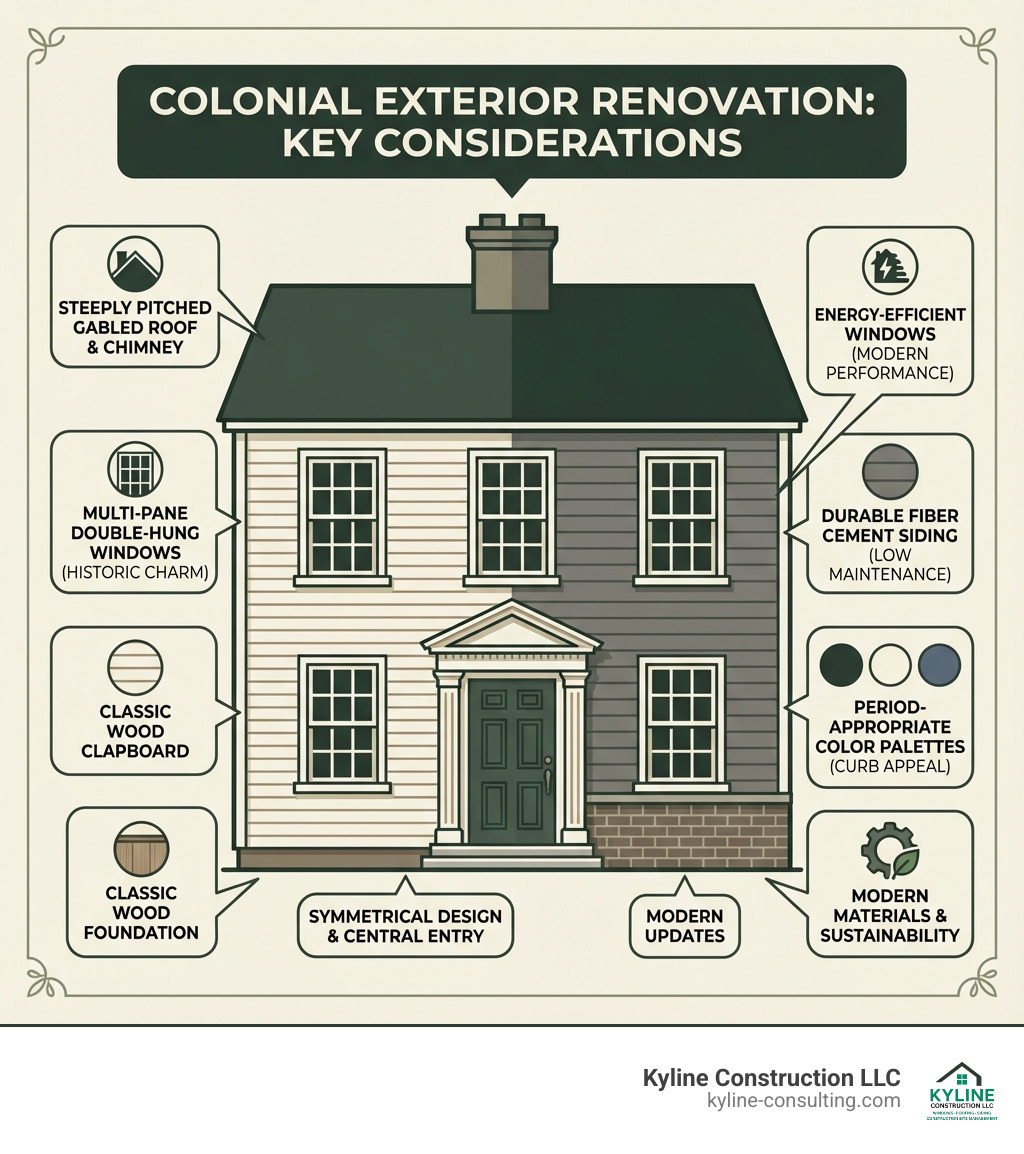
Understanding the Canvas: Key Characteristics of Colonial Architecture
Before we pick up a paintbrush or swing a hammer, it’s crucial to understand what makes a Colonial home, well, Colonial. These homes are celebrated for their timeless appeal, rooted deeply in American history and architectural tradition. When we approach a colonial exterior renovation, we’re not just renovating a house; we’re honoring a legacy.
The defining characteristic of a Colonial home is its symmetrical facade. Imagine a perfectly balanced picture: a centrally located front door, often flanked by an equal number of windows on either side. This creates a welcoming and stately appearance that immediately conveys order and tradition. You’ll often see five rectangular windows gracing the front facade, a classic Colonial touch that brings balance and harmony.
Beyond symmetry, other key elements include:
- Central Front Door: Always the focal point, often adorned with decorative pediments or pilasters, making a grand statement.
- Multi-Pane Double-Hung Windows: These aren’t just for show; they were practical in colonial times and remain a classic choice today. They typically feature multiple panes, often in a “six-over-six” configuration, contributing to the home’s historic feel.
- Steeply Pitched Gabled Roofs: These roofs are a hallmark, often simple and functional, providing a clean silhouette.
- Prominent Chimneys: Usually one or more, they often stand tall, signaling the central hearth—the heart of the original colonial home.
- Classic Materials: Colonial homes traditionally feature robust materials like wood clapboard (offering an authentic appearance), brick exteriors (especially common in areas like Ohio where brick was readily available), or even stone. These materials contribute to the home’s sturdy construction and enduring character.
While the general characteristics hold true, Colonial architecture encompasses several sub-styles, such as:
- Georgian Colonial: Known for its strict symmetry, often with a central hall, and formal details.
- Dutch Colonial: Distinguished by its iconic gambrel or mansard roof, which allows for more usable space on the second floor.
- Federal Style: A more refined version of Georgian, often incorporating more delicate ornamentation, such as fanlights above the front door.
When we undertake a colonial exterior renovation project, our goal is to improve these inherent features, ensuring that any updates respect and amplify the home’s original design.
Key Steps for Your Colonial Exterior Renovation
Starting on a colonial exterior renovation is an exciting journey. It’s about breathing new life into a classic, making it shine for generations to come. Here are the key steps we guide our Ohio homeowners through to achieve that perfect blend of historical integrity and modern functionality.
1. Choosing the Perfect Color Palette
Color is one of the most impactful and cost-effective ways to revitalize your Colonial home. A fresh coat of paint can cost anywhere from $2,000 to $6,000, offering a significant visual impact for a moderate investment. The right palette can improve architectural details and convey the desired aesthetic.
- Classic White with Black Shutters: This iconic combination remains a perennial favorite for its crisp, timeless elegance. It’s a look that never goes out of style. Many homeowners in Ohio opt for a soft creamy white, like Sherwin Williams’s “Alabaster” or “Pure White,” which we’ve seen transform exteriors from dull to delightful.
- Warm Earth Tones: Deep reds, muted greens, and rich browns can offer a period-appropriate alternative, especially if your home features brick or stone elements. These colors tend to blend beautifully with natural surroundings.
- Muted Pastels: Pale yellow, light blue, or soft gray can provide a subtle yet sophisticated look, offering a gentle nod to historical palettes while feeling fresh.
Modern Updates for a Fresh Feel:
Don’t be afraid to add a contemporary twist! We’ve found that incorporating bold front door colors like a vibrant red or deep indigo can inject personality without compromising traditional charm. Dark siding options, such as deep grays or blues, can also create a striking, updated aesthetic, especially when paired with crisp white trim.
The appearance of color can change dramatically with natural light and surrounding elements. That’s why we always recommend sampling and testing paint colors on your home before making a final decision. You can explore more ideas and authentic period options for your Colonial home’s paint palette at Paint color ideas for Colonial-style homes.
2. Siding & Roofing: The Foundation of Your Colonial Exterior Renovation
The exterior shell of your Colonial home—its siding and roof—is crucial for both aesthetics and protection. These are big-ticket items in a colonial exterior renovation, but they offer substantial returns in durability, energy efficiency, and curb appeal.
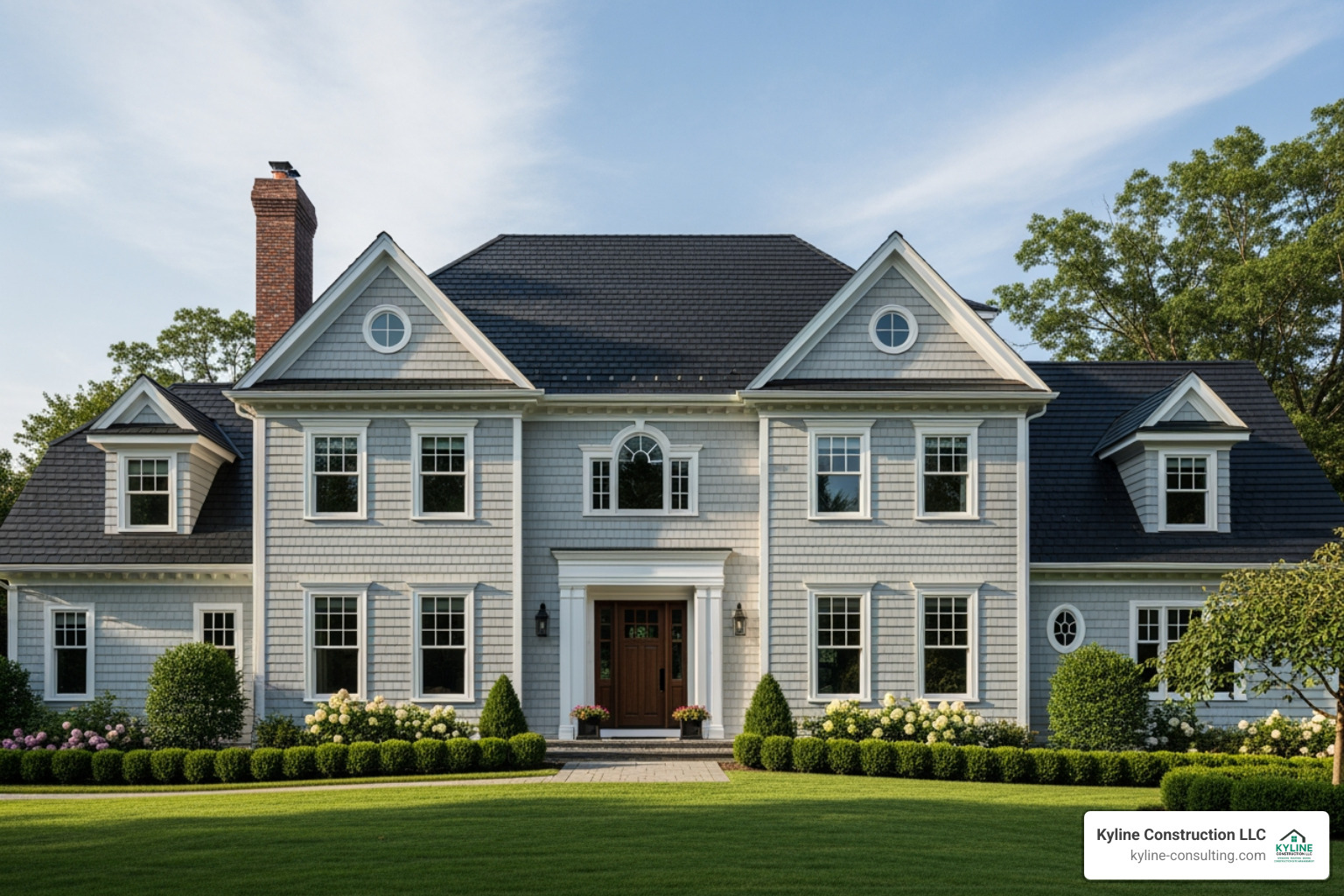
When it comes to siding, we work with materials that stand the test of time and weather in Ohio:
- Wood Clapboard: For those seeking the most authentic historical look, wood clapboard is a classic choice. It offers best charm but requires diligent maintenance to prevent rot and peeling.
- Fiber Cement Siding: A fantastic option for modern Colonial renovations, fiber cement siding (like James Hardie products) mimics the look of wood but offers superior durability, moisture resistance, and requires significantly less upkeep. It’s an investment that pays off in longevity and peace of mind.
- Brick: Many Colonial homes, especially older ones in Ohio, feature beautiful brick exteriors. If your brick is handsome and well-maintained, we often recommend preserving it. If it’s dated or you want a fresh look, painting brick can offer a dramatic change while retaining its unique texture.
For any siding needs, we invite you to learn more about our comprehensive Siding Services.
The roof is your home’s first line of defense and a major visual component. Choosing the right material ensures both historical integrity and modern performance:
- Slate Roofs: For a truly neat and historically accurate touch, especially on high-end Colonial homes, slate offers unparalleled durability and beauty. It’s a significant investment but lasts for centuries.
- Wood Shakes: These provide a rustic, natural look that was common in earlier Colonial periods. They age beautifully but require more maintenance than other options.
- Architectural Shingles: These are a popular choice for their versatility, cost-effectiveness, and ability to mimic the look of natural materials like slate or wood shakes. Modern architectural shingles are engineered for energy efficiency and durability, making them a smart choice for any colonial exterior renovation.
A new roof is often considered a top investment, offering excellent return. You can explore your options and see how we can protect and beautify your home with our Roofing Services.
3. Rethinking Windows and Shutters
Windows are the “eyes” of your Colonial home, and shutters are their charming frames. Updating these elements during a colonial exterior renovation can significantly improve curb appeal, energy efficiency, and comfort.
- Double-Hung Windows: This is the quintessential Colonial window style, featuring two sashes that slide up and down. They were practical then, and with modern technology, they are even more so now. We often recommend multi-pane grilles to maintain historical accuracy, as large panes of glass weren’t available in early colonial times.
- Energy Efficiency Benefits: Replacing old, single-pane windows with energy-efficient models can reduce heating and cooling costs by 10-25%. We offer vinyl windows that can be designed to match the aesthetic of traditional wood windows, providing superior insulation and durability without compromising the historic look. In fact, many historic homes in Ohio, like a 100-year-old home in Tipp City, have successfully updated to vinyl windows that satisfy historic preservation boards while offering modern benefits.
- Two-Tone Options: Consider two-tone windows with black exteriors and white interiors. This can blend seamlessly with dramatic exterior trim while matching your interior decor, as we’ve seen in projects in Delaware, OH.
We specialize in high-quality window installations that marry historical charm with modern performance. Learn more about our offerings at Windows.
- Functional vs. Decorative Shutters: Shutters add visual interest and provide privacy. While historically functional, today many homeowners opt for decorative shutters. If you love the look but want to avoid the maintenance and cost of functional ones, consider faux shutter dogs to give them an authentic, “functional” appearance.
- Shutter Hardware: Traditional hardware, often in black or iron, completes the authentic look of your shutters.
For a deeper dive into window styles, particularly double-hung windows, check out resources like Fine Homebuilding.
4. Designing a Welcoming Entryway
The front door and entryway are the focal point of any Colonial home, and a well-designed entrance makes a powerful first impression. During a colonial exterior renovation, we focus on creating an inviting and historically appropriate entry.
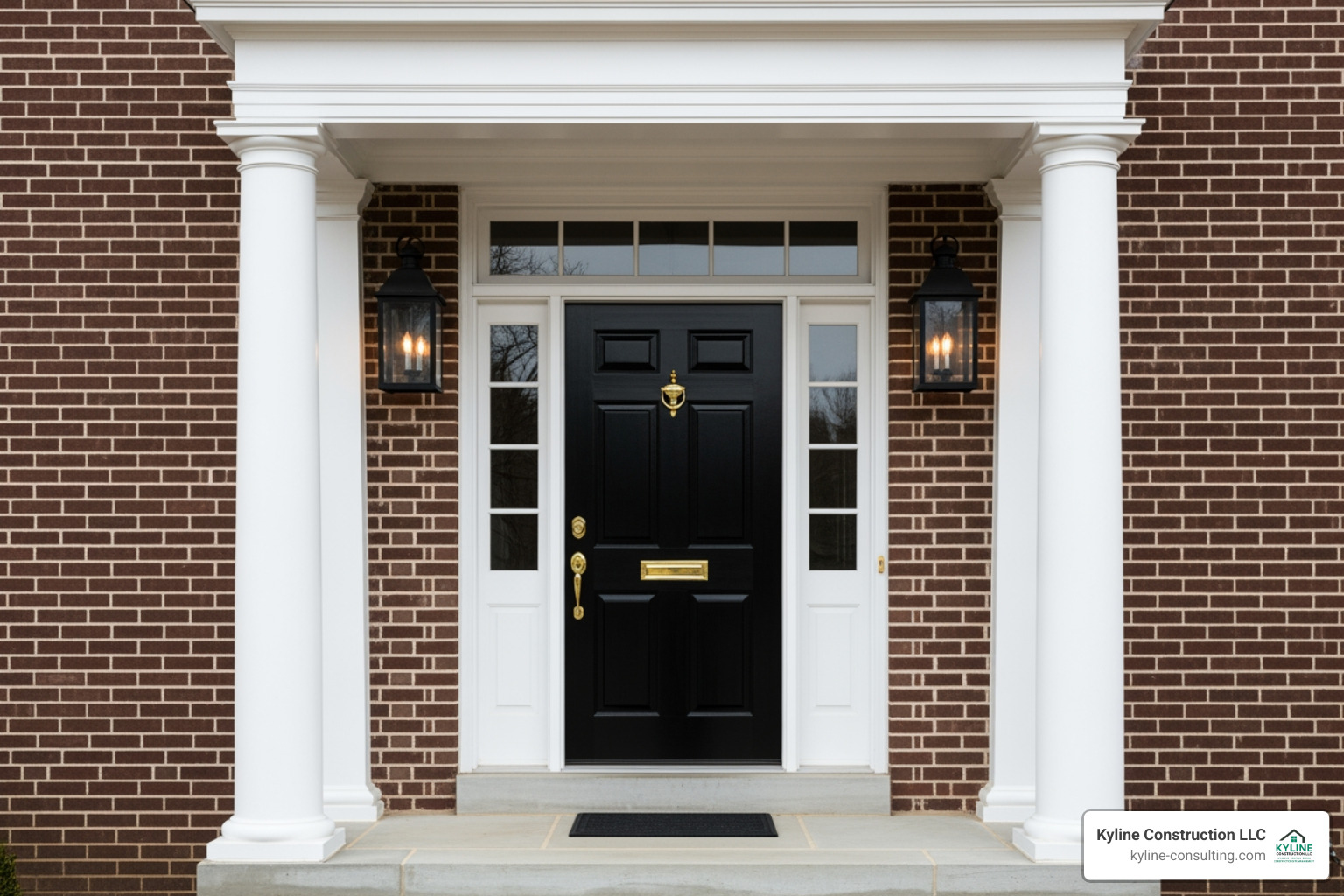
Key elements to consider include:
- Paneled Doors: Classic panel doors, especially those with six panels, are a traditional choice. They can be painted in contrasting colors to add character and visual depth.
- Porticos and Pediments: A portico (a covered entrance supported by columns) or a decorative pediment (a triangular or rounded architectural element above the door) adds a traditional and neat touch, creating a grand focal point.
- Sidelights and Transom Windows: Narrow windows on either side of the door (sidelights) and a window above the door (transom) add symmetry and natural light, enhancing the entryway’s importance.
- Traditional Hardware: Brass or iron handles, knockers, and hinges complete the authentic look, adding a touch of period-appropriate detail.
- Lantern-Style Lighting: Accept the classics with lantern-style fixtures, often with wrought iron frames and clear glass panes. Wall sconces flanking your entryway provide a warm, inviting glow and highlight architectural details. Path lights can guide visitors with sophistication.
For more inspiration on Colonial front doors and entryways, explore Houzz.
5. Adding Functional Outdoor Living Space
Colonial homes, while grand, didn’t always prioritize extensive outdoor living spaces in their original designs. However, a modern colonial exterior renovation can seamlessly integrate functional outdoor areas that improve your lifestyle without compromising the home’s architectural integrity.
- Front Porches and Porticos: Adding a covered front porch or expanding an existing portico can dramatically improve curb appeal and provide a welcoming spot for relaxation. These additions can cost between $10,000 and $30,000, significantly enhancing outdoor living space. When designing, we ensure new elements mirror the home’s original style, using matching columns and trim for seamless integration.
- Decks: For more expansive outdoor living, a well-designed deck can provide a perfect space for entertaining or simply enjoying the Ohio seasons. We specialize in building custom Decks that complement your home’s aesthetic.
- Screened Porches and Additions: If you desire a three-season space, a screened porch can be a wonderful addition, offering protection from insects while still allowing you to enjoy the outdoors. Larger additions, whether for a new kitchen, bedroom, or expanded living area, can effectively double your home’s size. The key is to ensure these additions maintain architectural symmetry and feature matching details like brick, decorative railings, and window muntins to ensure a harmonious appearance.
When adding functional living space, we always consider how to improve outdoor living while preserving the timeless charm of your Colonial home.
6. Complementing with Landscaping
Landscaping is the frame that surrounds your architectural masterpiece. For a colonial exterior renovation, the right landscaping improves the home’s stately presence and curb appeal.
- Symmetrical Garden Beds: Echo the home’s symmetry with twin flowerbeds flanking a central walkway or matching shrubs on either side of the porch.
- Boxwood Hedges: These classic, manicured hedges provide structure and formality, a perfect complement to Colonial architecture.
- Hydrangeas: Beloved for their abundant blooms, hydrangeas add a touch of traditional charm and color.
- Brick or Stone Pathways: A well-defined pathway made of brick or flagstone not only guides visitors but also adds to the historical authenticity. We’ve seen how a 90-degree herringbone brick pattern can transform a whimsical but unsafe flagstone path into an neat, durable feature.
- Formal Garden Design: Consider a formal layout with clearly defined beds, perhaps a central fountain or statue, and structured plantings. Incorporating perennials ensures year-round blooms, and flowering trees can beautifully frame your home.
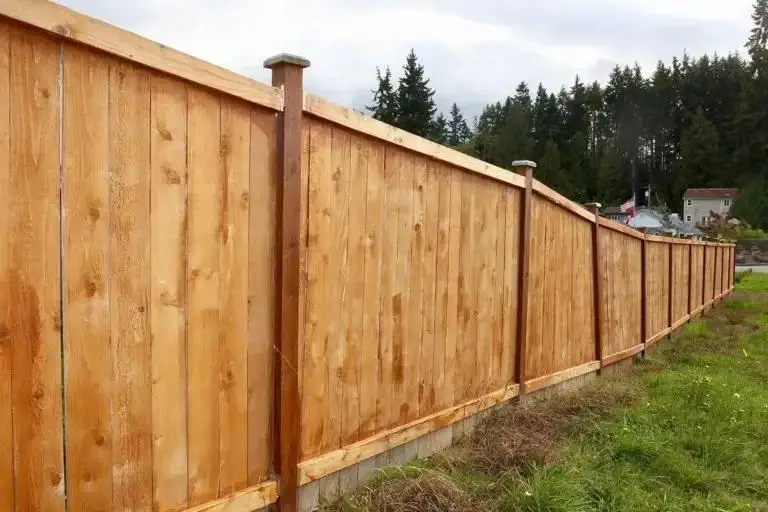
- Fences: A classic picket fence or a more substantial privacy fence can complete the look while defining your property. Explore our options for Fences to find the perfect fit.
For visual inspiration and stunning examples of Colonial home landscapes, we encourage you to visit Houzz.
Navigating Common Challenges
Undertaking a colonial exterior renovation is a rewarding endeavor, but it’s not without its problems. From our decades of experience helping homeowners in Ohio, we’ve identified some common challenges and how to steer them successfully.
- Maintaining Historical Accuracy: This is often the biggest tightrope walk. Colonial homes have a specific architectural language, and straying too far can diminish their charm. We advise our clients to avoid trendy elements that might look dated in a few years. Instead, we focus on authentic materials and design choices that respect the home’s original character. Consulting with preservation specialists, especially if your home is in a historic district, is often a wise first step.
- Budgeting for Renovations: The average cost of a home exterior renovation can range from $5,000 to $50,000 or more, depending on the scope. A full colonial exterior renovation can be a significant investment. Unexpected issues, common in older homes, can also arise. We believe in transparent, free, no-obligation estimates to help you plan effectively.
- Finding Authentic Materials: Sourcing period-appropriate materials can sometimes be a challenge. While modern alternatives like fiber cement siding offer excellent performance, some homeowners prefer reclaimed wood, custom millwork, or specific types of brick. We leverage our network of suppliers to find materials that meet both aesthetic and quality standards.
- Addressing Structural Issues in Older Homes: With time comes wear and tear. Older Colonial homes may harbor hidden structural issues, such as water damage, foundation problems, or outdated framing. These need to be addressed proactively during the renovation to ensure the long-term safety and integrity of your home. This is where our 40+ years of experience truly shines, as we’re adept at identifying and resolving these complex issues.
- Navigating Local Building Codes and Historical District Regulations: In areas with historic designations, there might be strict guidelines on what materials, colors, and architectural changes are permitted. For example, a homeowner in Tipp City, OH, successfully steerd the local historic preservation board to approve vinyl windows that mimicked the original wood, showing that flexibility and communication are key. We understand the local regulations in Circleville, Columbus, and across Ohio, and we guide you through the permitting process to ensure your renovation is compliant.
Inspiring Changes: Before & After
Nothing tells the story of a successful colonial exterior renovation quite like a before-and-after change. These examples showcase the dramatic visual impact of thoughtful updates, proving that preserving history doesn’t mean living in the past.
We’ve seen countless homes in Ohio transformed from tired to triumphant:
- The Power of Paint: A fresh color palette can work wonders. Imagine a home that once had a dull, faded exterior, now revitalized with crisp white siding and sleek black shutters. Or a dated gray exterior, now a warm “Alabaster” with deep green shutters, injecting personality and charm. This simple change alone can significantly increase curb appeal and make your home stand out beautifully.
- Porch Additions: A bland, narrow entrance can be transformed into a welcoming focal point with the addition of a stately portico or a roomy covered porch. These additions not only improve the home’s aesthetic but also create functional outdoor living space, perfect for enjoying a quiet evening or greeting guests.
- Siding Updates: Replacing old, weather-worn siding with durable fiber cement can dramatically improve a home’s appearance and reduce maintenance. We’ve seen homes go from looking neglected to looking brand new, reflecting a renewed sense of pride for the homeowners.
- Boosting Home Resale Value: Beyond the aesthetic, these renovations offer tangible financial benefits. Exterior renovations, such as updating siding, windows, and doors, can improve a home’s curb appeal and potentially increase its resale value by 5-10%. It’s an investment that improves your daily life and secures your financial future.
For a glimpse into a real-world change, check out this inspiring Before and After of Our Dutch Colonial Exterior Refresh. It’s a testament to how strategic updates can honor a home’s heritage while making it feel fresh and modern.
Frequently Asked Questions about Colonial Renovations
We often hear similar questions from Ohio homeowners considering a colonial exterior renovation. Here are some of the most common, with our expert insights:
How can I modernize a Colonial exterior without losing its charm?
This is a fantastic question, as it hits at the heart of balancing tradition with contemporary living. The key is to incorporate modern elements thoughtfully, ensuring they complement rather than clash with the home’s inherent character.
- Use Bold Accent Colors: A vibrant red or deep blue on your front door can provide a modern pop of color against a classic white or muted facade without altering the architectural lines.
- Choose Modern Materials that Mimic Traditional Looks: Fiber cement siding, for example, offers the durability and low maintenance of a modern material but can be crafted to perfectly replicate the look of traditional wood clapboard. This allows for modern performance with a classic aesthetic.
- Add Contemporary Lighting Fixtures: While lantern-style lights are traditional, you can find modern interpretations that offer a sleek design while still providing a warm, inviting glow. We’ve seen how dimmed halogen and amber LED lighting can create a sophisticated ambiance.
- Integrate Smart Home Features: Smart outdoor lighting, security cameras, or even automated window treatments can bring your Colonial home into the 21st century without impacting its exterior appearance. These subtle technological upgrades improve convenience and efficiency.
- Updated Landscaping: While traditional, symmetrical landscaping is crucial, modern twists like sustainable planting choices or unique garden art can add a contemporary flair.
What are the most common challenges when renovating a Colonial exterior?
As a general contractor with over 40 years of experience in Ohio, we’ve encountered a few common problems during colonial exterior renovation projects:
- Balancing Historical Accuracy with Modern Needs: Homeowners want modern comforts and efficiency, but also want to respect their home’s history. Finding that sweet spot can be challenging, but it’s where our expertise shines. We help you choose upgrades like energy-efficient windows that look historically accurate.
- Adhering to Strict Historical District Guidelines: If your home is in a designated historic district in Columbus, Circleville, or elsewhere in Ohio, you’ll likely face specific regulations on materials, colors, and structural changes. This requires careful planning and often several rounds of approvals. We’re here to help you steer this process.
- Sourcing Period-Appropriate Materials: Finding materials that are authentic to the Colonial era can sometimes be difficult or costly. This includes everything from specific types of siding and roofing to custom millwork for trim and doors. We assist our clients in finding high-quality, authentic, or historically-inspired alternatives.
- Managing Unexpected Structural Repairs in an Older Home: Colonial homes, by their nature, are older structures. It’s not uncommon to uncover hidden issues like water damage, rot, or foundational problems once demolition begins. These unexpected repairs can impact both budget and timeline, which is why we emphasize thorough inspections and contingency planning.
What landscaping best complements a Colonial home?
The landscaping around a Colonial home should ideally echo its architectural principles: order, symmetry, and understated elegance.
- Symmetrical and Formal Designs: Think of matching elements. Twin flowerbeds flanking your front walk, perfectly manicured boxwood hedges lining a central pathway, or identical planters on either side of your front door.
- Classic Flowering Shrubs: Hydrangeas are a perennial favorite, offering lush blooms and a traditional feel. Rhododendrons, azaleas, and rose bushes also fit the bill beautifully.
- Brick or Flagstone Paths: These materials provide a classic, durable surface for walkways and patios, enhancing the historical charm. A herringbone pattern for brick paths is particularly authentic.
- Defined Garden Beds: Use low fencing or stone borders to clearly define garden spaces, maintaining a neat and structured appearance.
- Mature Trees and Shrubs: These provide a stately backdrop and a sense of permanence, framing the home without overwhelming it.
The goal is to create a landscape that feels established, orderly, and harmonious with the home’s architecture, rather than wild or overly informal.
Conclusion: Begin Your Home’s Next Chapter
A colonial exterior renovation is more than just a home improvement project; it’s an investment in history, curb appeal, and your family’s future. We’ve explored the defining characteristics of these timeless homes, from their symmetrical facades to their gabled roofs, and walked through the key steps of a successful renovation—from choosing the perfect color palette to complementing your home with thoughtful landscaping.
We understand the unique challenges that come with renovating older homes in Ohio, from navigating historical guidelines to addressing unexpected structural issues. But we also know the immense satisfaction that comes from preserving the past while embracing the comforts of modern living. The benefits are clear: increased home value, improved energy efficiency, and a home that makes you proud every time you pull into the driveway.
At Kyline Construction LLC, we bring over 40 years of experience and a commitment to precision craftsmanship to every project in Circleville, Columbus, and across Ohio. We believe in clear communication, quality work, and delivering results that exceed expectations. If you’re ready to revive the history and charm of your Colonial home, we’re here to help you begin its next beautiful chapter.
Ready to transform your Colonial home? Explore our exterior renovation services and let’s discuss how we can bring your vision to life.