What Every Central Ohio Homeowner Should Know Before Getting a Fence Installed
Fence installation is one of the most practical upgrades you can make to a Central Ohio property — it adds privacy, keeps kids and pets safe, and gives your yard a finished look that holds up for decades when done right.
Here’s a quick overview of what most homeowners want to know upfront:
| Question | Quick Answer |
|---|---|
| Average cost | ~$6,800 (varies by material, size, and gates) |
| How long it takes | 2-3 days for a 200-foot fence (pros) |
| Permit required? | Usually yes, for fences over 6 feet |
| Best material for Ohio weather | Cedar or vinyl for durability and low maintenance |
| DIY or hire a pro? | Hire a pro — DIY takes 3-5x longer and mistakes are costly |
But the cost and timeline are only part of the story. The material you choose, whether your posts are set correctly, and whether your contractor actually knows what they’re doing — those are the things that determine whether your fence lasts 5 years or 20.
Getting this wrong is expensive. A post set too shallow will lean within two years. A fence built on the wrong property line has to come down at your expense.
Choosing the Right Materials for Your Fence Installation
Choosing the right material isn’t just about what looks good today; it’s about what will still look great and stand straight in July 2026 and beyond. In Central Ohio, our climate brings hot, humid summers and freezing winters. This constant freeze-thaw cycle puts incredible stress on fence posts and panels.
To help you visualize how the most popular materials stack up, we’ve broken down the key differences in durability, maintenance, aesthetics, and overall cost factors below.
| Material | Durability | Maintenance Required | Aesthetic Style | Relative Cost | Expected Lifespan |
|---|---|---|---|---|---|
| Western Red Cedar | High (natural rot resistance) | Moderate (staining/sealing every 2-3 years) | Warm, classic, natural | Moderate | 15–20 Years |
| Pressure-Treated Pine | Moderate (prone to warping) | High (regular sealing required) | Traditional wood look | Budget-friendly | 10–15 Years |
| Vinyl / PVC | Very High (no rotting or fading) | Low (occasional wash with soap & water) | Modern, clean, uniform | High | 25–30 Years |
| Ornamental Aluminum | Extremely High (rust-resistant) | Very Low (occasional rinse) | Elegant, historic, open | High | 40+ Years |
| Chain Link | High (galvanized steel) | Low | Utilitarian, functional | Low | 20+ Years |
When planning your layout and calculating exactly how many posts, rails, and pickets your yard will require, we highly recommend using a reliable online fence calculator to estimate your material quantities before signing any contracts.
Wood and Vinyl Fence Installation Options
Wood remains the most popular choice for homeowners seeking a traditional look. However, the type of wood you choose makes a massive difference.
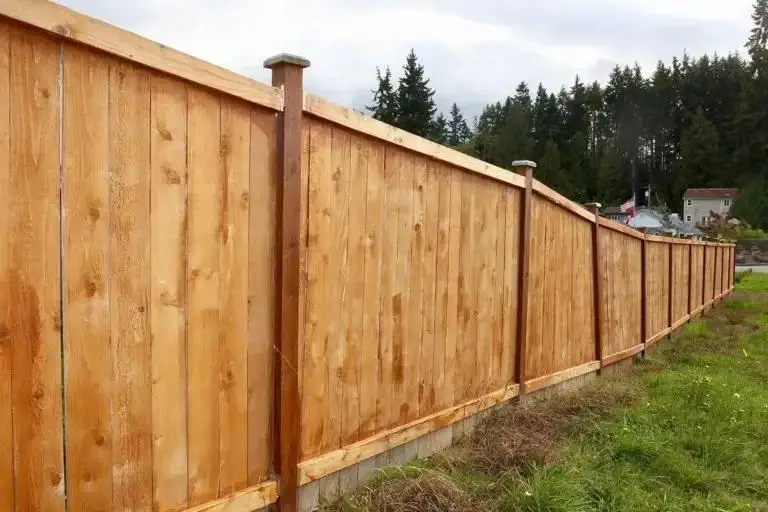
Western Red Cedar is our top recommendation for natural wood fences. Cedar contains natural oils that resist rot, decay, and insect attacks. It handles the dry summer air and wet winter snows of Ohio beautifully without warping. On the other hand, pressure-treated southern yellow pine is highly affordable and carries excellent protection against rot, but its cellular structure is often altered during the pressurized treatment process. This makes pressure-treated pine highly prone to twisting, warping, and bowing as it dries out under the hot Ohio sun. If you choose wood, you can find great step-by-step assembly ideas in the Lowe’s DIY wood fence guide.
If you want the classic look of a wood fence without the chore of staining it every few years, vinyl is the modern gold standard. High-quality vinyl fencing doesn’t peel, rot, or fade. It stands up to the elements and only requires an annual wash with soap and water to look brand new. We frequently perform vinyl and wood installations for homeowners seeking premium privacy solutions, such as our custom residential projects featured in our guide on Fence Installation in Powell Ohio.
Metal, Aluminum, and Chain Link Fence Installation
For properties where complete privacy isn’t the primary goal, metal options offer unmatched security and longevity.
- Ornamental Aluminum: This material offers the elegant, stately look of historic wrought iron but without the heavy maintenance and rust issues. Aluminum fences are powder-coated, meaning they will never need to be repainted. They are perfect for sloped yards because the panels can be “racked” to follow the contours of your land without creating ugly gaps at the bottom.
- Chain Link: If you need to secure a large perimeter, contain a pet, or establish a clear boundary on a budget, chain link is incredibly durable and virtually maintenance-free. Modern chain link fences can be upgraded with black or green vinyl coatings to blend seamlessly into your landscaping, and privacy slats can be added if you want to block the view.
- Steel Fencing: For high-security commercial applications or heavy-duty residential perimeters, steel provides maximum impact resistance.
Whether you are looking to secure a backyard pool or define your property lines, choosing the right metal framework is key to long-term stability. You can read more about local metal and ornamental options in our resource on Fence Installation in Delaware Ohio.
Planning, Permits, and Central Ohio Regulations
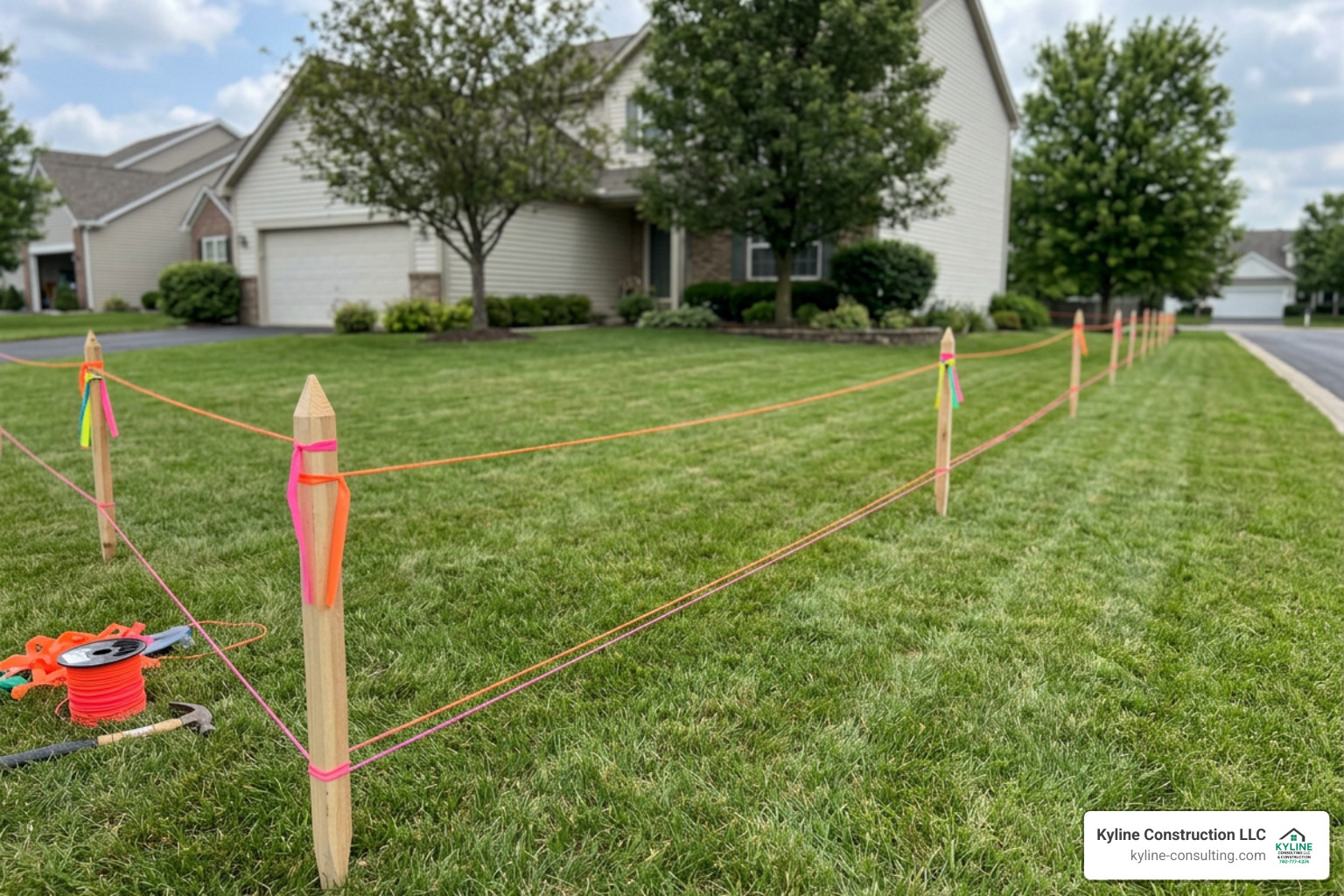
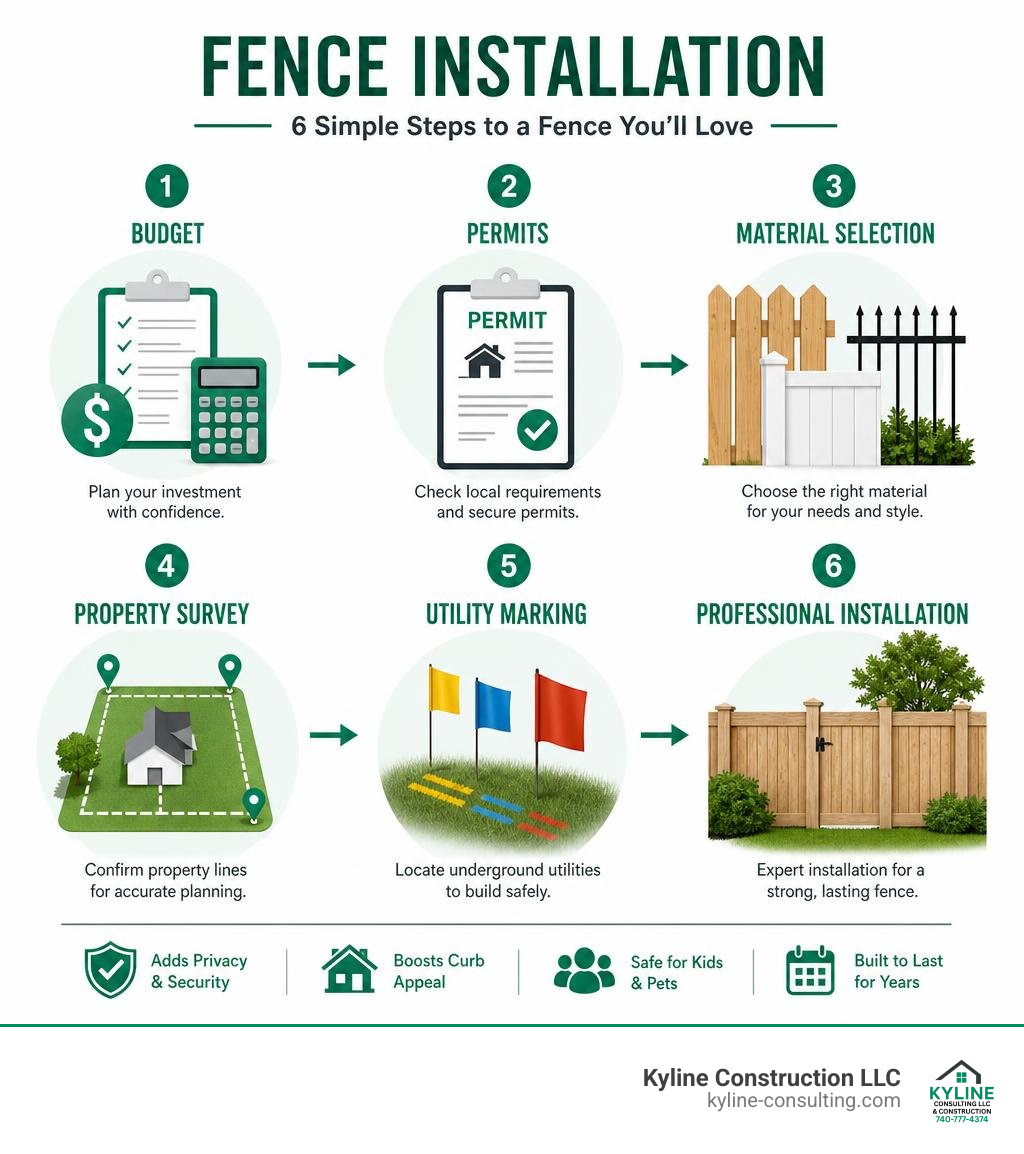
You can buy the most expensive materials on the market, but if you don’t plan properly, your project can quickly turn into a legal and financial nightmare. Before a single hole is dug, several crucial regulatory and logistical steps must be completed. Standard professional practices, such as those detailed in the step-by-step fence installation guide, emphasize that early planning is the most important phase of the entire project.
Property Lines and HOA Approvals
The absolute golden rule of fence installation is this: Never guess where your property line is.
Many homeowners assume their property line follows an existing tree line, a neighbor’s mowed path, or even an old, sagging fence. Building a fence even a few inches over your property boundary can result in your neighbor legally forcing you to tear it down at your own expense.
- Get a Professional Survey: While you can use a metal detector to search for original iron survey pins, hiring a professional surveyor to stake out your exact boundaries is the only way to ensure 100% accuracy. Property plats are helpful, but they are not legally binding boundary markers.
- Setbacks: Most municipalities in Central Ohio require fences to be set back a certain distance from property lines, sidewalks, and streets. Typically, if a clear survey is present, we set the fence about 4 inches inside your property line to ensure no part of the concrete footings encroaches on your neighbor’s land.
- HOA Covenants: Homeowners Associations (HOAs) often have strict rules regarding fence height, material, and style. For example, some HOAs prohibit chain link entirely or require the “finished” side of a wood fence to face outward toward the street.
- Corner and Waterfront Lots: If you live on a corner lot, you must pay close attention to sight-triangle regulations. In many parts of Columbus and surrounding suburbs, fences on corner lots must be set back at least 25 feet from the intersection to avoid blocking the view of motorists.
Taking the time to coordinate with neighbors and secure approvals keeps the peace and protects your investment. We walk homeowners through these exact steps daily, as detailed in our guide on Fence Installation in Grove City Ohio.
Utility Marking and Site Preparation
Digging post holes without knowing what lies underground is incredibly dangerous and can result in catastrophic fines if you sever a utility line.
Before we start any excavation, we call 811 (Ohio’s underground utility protection service) at least two business days in advance. Utility companies will come out to mark the locations of gas, electric, water, and telecommunication lines using color-coded paint or flags. 811 only marks public utility lines; private lines, such as underground sprinkler systems, pool heaters, or detached garage power feeds, must be mapped out by the homeowner.
Once utilities are marked, the site must be prepared:
- Clear the Path: Remove brush, low-hanging tree branches, and debris along the planned fence line.
- Remove Old Fencing: If an old fence is being replaced, it must be carefully dismantled, and the old concrete footings must be pulled out of the ground.
- Address Slopes: If your yard has a steep slope, decide whether the fence will be “stepped” (resembling stairs) or “racked” (following the angle of the ground).
DIY vs. Professional Installation: Avoiding “Paper Contractors”
With so many home improvement shows making major projects look like a weekend hobby, it’s tempting to think about tackling a fence project yourself. But as a construction professional, I have to be honest with you: fencing is physically exhausting, highly technical work.
This brings me to a critical point about hiring help. In the home improvement industry today, there is a massive difference between what I call “paper contractors” and “real contractors.”
A paper contractor is essentially a sales office. They have a slick website, a smooth-talking salesperson, and a desk. Once you sign the contract, they sell your job to the lowest-bidding subcontractor they can find on a local message board. The paper contractor rarely, if ever, visits your job site. If those subcontractors run into a problem, make a mistake, or simply walk off the job because they got a better offer, the paper contractor has no idea how to fix it. They don’t own tools, and they don’t know how to build.
At Kyline Construction LLC, we are real contractors. We are hands-on builders. While we work with trusted, highly skilled crews, our leadership team has the actual physical skills, knowledge, and tools to step in and finish the job personally if a subcontractor ever walks away. When you hire us, you are hiring decades of real-world field experience, not just a middleman with a clipboard.
The Risks of DIY Fencing
If you choose the DIY route, prepare for a massive time commitment. While a professional crew can typically install 100 to 150 linear feet of wood privacy fence per day, DIY projects take 3 to 5 times longer. What takes a pro crew two days will easily consume three to four of your weekends.
The physical labor is intense. Digging dozens of post holes to a depth of 30 to 36 inches (to get below Ohio’s frost line) using a manual clamshell digger or a rented power auger is backbreaking work. If you hit heavy clay, thick tree roots, or large rocks, progress slows to a crawl.
Furthermore, alignment errors are incredibly easy to make. If your corner posts are even slightly out of plumb, or if you don’t allow your concrete footings to cure for a full 48 to 72 hours before hanging heavy wood gates or panels, your fence will begin to sag and lean within its first two seasons.
Why You Need a Real Contractor in Central Ohio
Hiring a real contractor ensures your fence is built to withstand local weather conditions and soil types.
A professional installation includes setting posts at a depth equal to at least one-third (and often 50%) of their above-ground height. We set every single post in solid concrete footings, crowning the top of the concrete slightly above ground level to shed water away from the wood posts and prevent rot. We also use premium, corrosion-resistant fasteners (such as hot-dipped galvanized or stainless steel screws) that won’t leave ugly black rust streaks running down your beautiful new wood pickets.
If you are looking for local expertise and structural integrity that lasts, our team provides reliable services throughout the region, including custom projects detailed in our guide on Fence Installation in Newark Ohio.
Frequently Asked Questions about Fencing
We hear many of the same questions from homeowners planning their projects. Here are clear, straightforward answers to help you plan.
How long does a typical fence installation take?
For a standard residential property with a 200-foot fence project, a professional crew will typically complete the job in 2 to 3 days under normal weather and soil conditions.
- Day 1: Laying out the fence line, digging post holes, setting the posts in concrete, and aligning them perfectly.
- Day 2: Allowing the concrete to cure. (We never rush this step; attaching heavy rails and pickets to wet concrete footings causes the posts to shift).
- Day 3: Installing the horizontal rails, attaching the pickets or panels, building and hanging the gates, and performing a thorough site cleanup.
What is the average cost of a new fence?
While the average cost of a professional fence installation was around $6,800 in recent years, your final price will depend on several key factors:
- Material: Pressure-treated wood and chain link are the most budget-friendly. Vinyl and ornamental aluminum have a higher upfront cost but save you thousands of dollars in maintenance over their lifespan.
- Height: A standard 4-foot picket fence requires fewer materials and shallower post holes than a 6-foot or 8-foot privacy fence.
- Gates: Gates require specialized heavy-duty posts (often 6×6 instead of 4×4 for wood fences) and high-quality hardware to prevent sagging. Each gate adds to the overall material and labor costs.
- Terrain: Steep slopes, rocky soil, or old concrete footings that must be removed will increase labor rates.
How do I maintain my fence to maximize its lifespan?
To get 15 to 20 years out of a cedar fence or 30+ years out of vinyl and aluminum, follow these simple maintenance tips:
- Annual Cleaning: Power wash or scrub your fence once a year with mild soap and water to remove dirt, mold, and mildew.
- Stain or Seal Wood: If you have a cedar or pressure-treated wood fence, apply a high-quality UV-resistant sealer or stain every 2 to 3 years to prevent the wood from drying out, cracking, and turning gray.
- Keep Debris Away: Avoid stacking firewood, soil, or heavy yard debris directly against your fence panels. This traps moisture against the material, accelerating rot in wood and causing unnecessary strain on vinyl.
- Adjust Gates: Over time, ground settling can cause gate latches to misalign. For vinyl gates, you can easily adjust the hinge bolts to realign the latch. For wood gates, you may need to gently tap the latch catch with a hammer or tighten the diagonal sag-cable turnbuckle.
Conclusion
A new fence is a major investment in your home’s security, privacy, and curb appeal. By choosing the right materials, planning around local zoning laws, and working with a real contractor who knows how to build things to last, you can ensure your fence stands strong and beautiful for decades.
At Kyline Construction LLC, we bring over 40 years of combined professional experience to every home improvement project we tackle across Central Ohio. We don’t play games with your investment, and we never rely on hands-off “paper contractor” tactics. There is a massive difference between a “paper contractor” who simply sells a job and brokers it out to the cheapest bidder, and a “real contractor” like us who has the actual tools, skills, and hands-on expertise to build and manage your project directly. From our initial consultation to the final walkthrough, our team of experienced professionals ensures quality, safety, and complete peace of mind.
Whether you need a new fence, premium vinyl siding (with full siding repairs typically ranging from $11k-$17k, using realistic per-square-foot calculations), or energy-efficient window replacements (ranging from $400-$900 per window), we are here to help.
Contact us today to schedule your free, no-obligation estimate and experience the difference that real craftsmanship makes for your Central Ohio home. To learn more about our options, explore our expert fencing services today!