Searching roof repair near me usually means something has gone wrong, like a brown ring on the ceiling or shingles in the yard after a storm. The next 48 hours decides whether this stays a small repair or turns into a bigger job. Below you’ll find the signs that justify a call, the usual causes on Central Ohio homes, and the code rules that decide when a repair stops being a repair.
For a full symptom-by-symptom checklist on an aging roof, see signs you need a new roof. This post starts from the moment you find the problem.
Signs that deserve a call this week
Some roof problems can wait for a dry spring afternoon, and some can’t. These are the ones that shouldn’t sit.
Inside the house, look for a ceiling stain that grows after rain, peeling paint where the wall meets the ceiling, or a musty smell in an upstairs closet. In the attic, look for dark or damp spots on the underside of the roof sheathing, wet insulation, and daylight around a vent pipe or the chimney.
Outside, walk the yard with binoculars rather than a ladder. Missing or creased shingles, a lifted tab that flaps in wind, bent metal around the chimney, and a heavy pile of granules at the downspout all point to trouble. One missing shingle after a windstorm is a repair. Curled, cracked shingles across a whole slope call for a different conversation.

What usually causes roof damage in Central Ohio
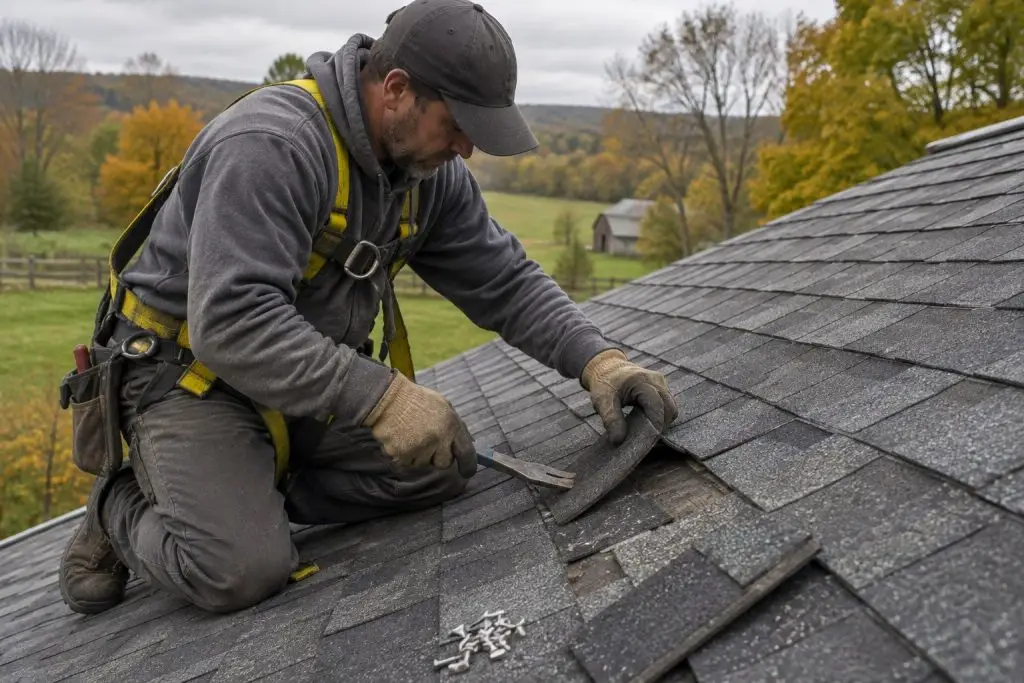
Wind is the most common trigger for a sudden repair call. Summer thunderstorms lift shingle tabs, break the seal strip, and peel the shingle back. Ohio’s residential code ties shingle wind ratings to design wind speed in Table 905.2.4.1, and it requires the shingle packaging to carry a label showing the ASTM wind class. It also sets a minimum of four fasteners per strip shingle in section 905.2.6. When a roof loses shingles in a moderate storm, nail length, placement, and count are among the first things a repair crew checks. Each nail needs at least a 12 gauge shank and a 3/8 inch head, and it has to reach 3/4 inch into the roof deck.
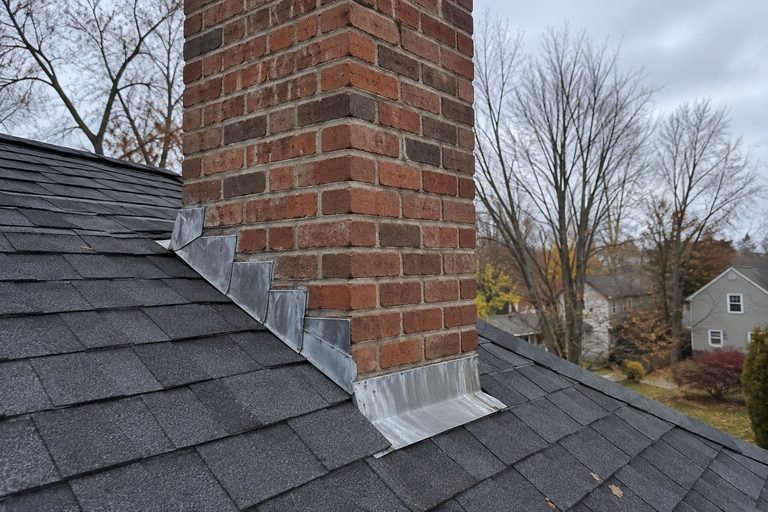
Flashing is the second big source. Metal at chimneys, walls, and roof openings is where most slow leaks start, and the details are covered in a separate post on chimney flashing repair. Pipe boots around plumbing vents crack from sun exposure and let water run down the pipe into the attic.
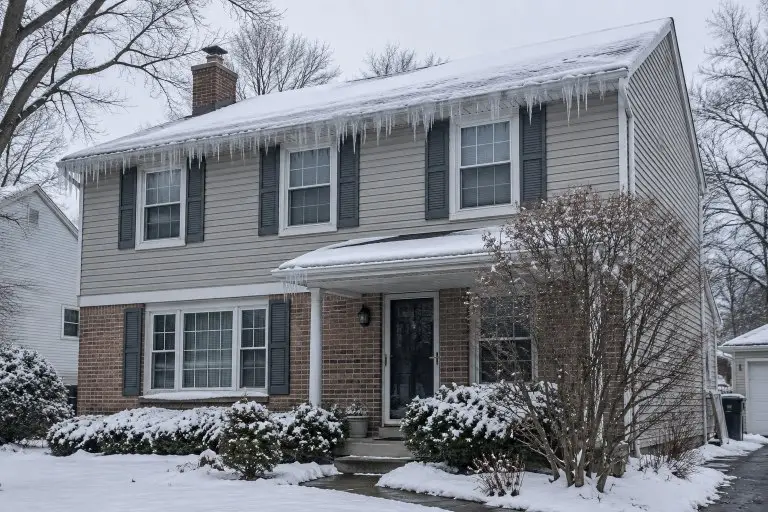
Winter causes the third group. Thaw and refreeze cycles push water back under shingles at the eave, which is why ice dam prevention starts in the attic. Age ties all of these together. An older residential roof loses granules, the shingles stiffen, and a storm that a newer roof would shrug off starts tearing pieces loose.
When Ohio code turns a repair into a replacement
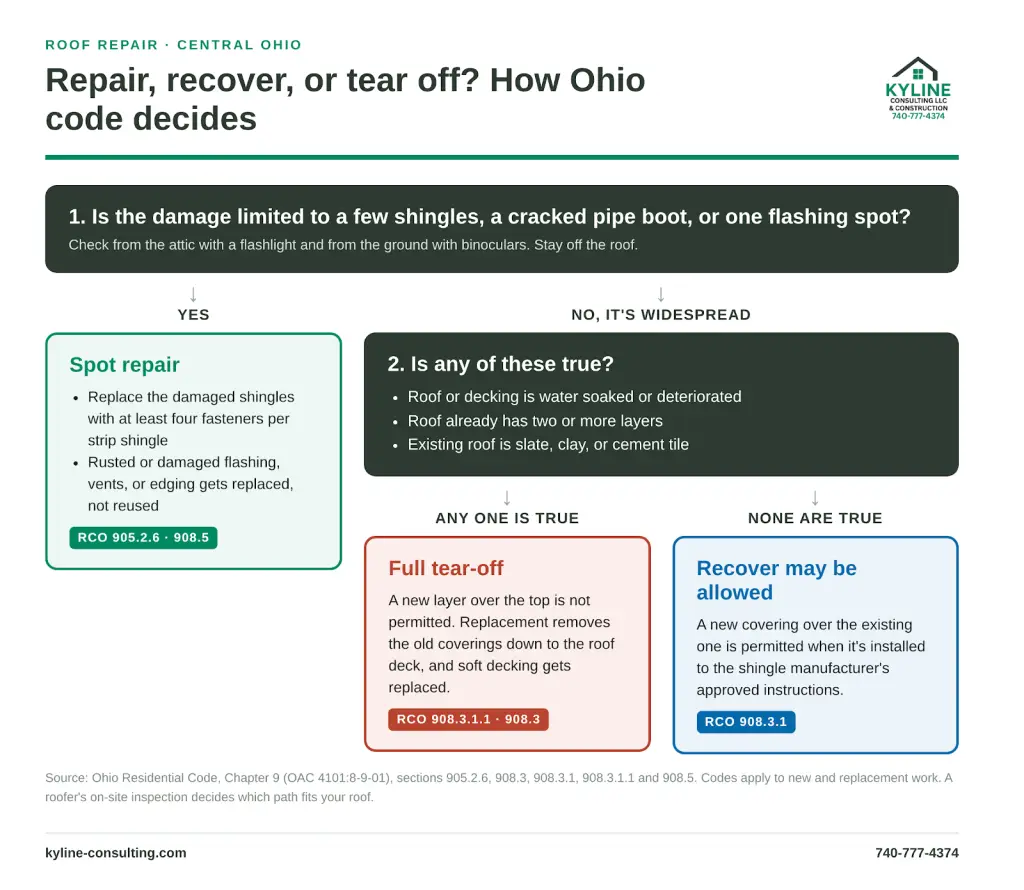
Homeowners often ask a roofer to “just put a new layer over it.” Ohio’s Residential Code decides whether that’s allowed, and it’s stricter than many people expect. These rules come from Chapter 9 of the code, section 908 on reroofing and section 905 on asphalt shingles.
| Situation | Ohio Residential Code | What it means for you |
|---|---|---|
| Full roof replacement | 908.3 | Tear-off goes down to the roof deck |
| Existing roof is water soaked or deteriorated | 908.3.1.1(1) | No recover, the old roof comes off |
| Roof already has two or more layers | 908.3.1.1(3) | A third layer is prohibited |
| Existing roof is slate, clay, or cement tile | 908.3.1.1(2) | Shingles can’t go over it |
| Old flashing, vents, or edging that is rusted or damaged | 908.5 | Must be replaced, not reused |
| Low-slope shingle roof, 2:12 up to 4:12 | 905.2.2 | Needs a double layer of underlayment |
| Shingle attachment | 905.2.6 | At least four fasteners per strip shingle |
Source: Ohio Residential Code, Chapter 9, 4101:8-9-01 (PDF).
When none of those three conditions apply, section 908.3.1 permits a new covering over the old one, as long as it’s installed to the shingle manufacturer’s approved instructions.
The water-soaked rule matters most after a leak. If water has sat in the sheathing long enough to soften it, covering it with new shingles isn’t an option. That decking has to come off and be replaced, and a roofing contractor who suggests layering over it is suggesting something the code prohibits. Caught early, a small leak usually stays a spot repair, and one left through a winter is how people end up comparing roof replacement quotes in April.
What to do in the first 24 hours after you find a leak
Start inside. Put a bucket under the drip and move furniture and electronics out of the way. Keep people out of any room where the ceiling is bulging with water. Take photos of the stain, the attic, and any damage you can see from the ground, with the date showing. That record helps any insurance claim, and the Kyline guide on what to document after a hail storm walks through it.
Stay off the roof. Wet shingles are slick, and a fall costs more than any leak. When water is coming in fast or a section of roof is open, ask for emergency repair and a temporary tarp until a permanent fix can be scheduled.
Then call a local roofer and describe what you found: where the stain is, when it shows up, and whether it follows wind-driven rain or steady rain. That detail helps a crew find the source faster, because water often travels along a rafter and shows up several feet from where it got in.
Calling a local roofer vs. answering the door
Door-to-door crews sometimes follow big storms through Central Ohio, and Ohio law treats a sale at your door differently from a call you place yourself.
Under Ohio’s Home Solicitation Sales Act, a sale that a seller solicits at your home comes with the right to cancel. ORC 1345.23 gives you three business days to cancel without penalty, and the contract has to include a written notice of cancellation. If you called a contractor with a fixed business location in Ohio, ORC 1345.21 generally excludes that sale from the three-day rule. The same section lets a buyer waive the right in a real emergency, but only with a separate signed and dated statement in the buyer’s own handwriting.
So read what you sign. When someone at your door asks you to sign before you’ve seen a written scope, you’re entitled to wait. Any local roofer with a shop you can drive to will still be there after the storm crews leave, and that matters if the repair ever needs a second look.
Frequently asked questions
How do I know if I need a repair or a whole new roof?
A few missing shingles, a cracked pipe boot, or loose flashing is usually a repair. Widespread curling, heavy granule loss, soft decking, or a roof that already has two layers points toward replacement, and Ohio code section 908.3.1.1 rules out a recover in that last case.
Can a roofer put new shingles over my leaking roof?
Not if the existing roof is water soaked or deteriorated. Section 908.3.1.1 of the Ohio Residential Code doesn’t allow a new covering over a roof in that condition, so damaged decking has to be replaced first.
Should I get on the roof to look for the leak?
No. Check from the attic with a flashlight and from the ground with binoculars. Photos from both places give a roofer most of what they need before the visit.
Can I cancel a roofing contract I signed at my front door?
Usually, yes. ORC 1345.23 gives you three business days to cancel a home solicitation sale. The rule generally doesn’t apply when you called an Ohio contractor with a fixed business location yourself.
Why does the stain show up far from where the roof is damaged?
Water runs along the sheathing and rafters before it drips, so the ceiling stain is often downhill from the real entry point. Tracing it from the attic side finds the source faster.
If you’re searching roof repair near me because of a stain or storm damage, get it looked at before the next hard rain so a small repair doesn’t turn into new decking. Call Kyline at 740-777-4374 or book a roofing visit to protect your home before winter.